Sustainability Management in The Environmental Aspect
Environment Policies and Guidelines
The company prioritizes the safety and well-being of its personnel and the surrounding community. It is committed to promoting and instilling a consciousness of quality, occupational safety, health, and environmental awareness as part of the daily routine of its employees, benefiting everyone, including the community and society at large. The company also supports and emphasizes fostering an awareness among employees to maximize the efficient use of resources, which will have a lasting impact in shaping habits and applying them at home. Additionally, the company expects that these efforts will lead to more efficient resource use at the national level, and it communicates the importance of resource-consciousness to create a sustainable mindset.

In addition to its commitment to developing real estate projects and delivering quality products and services to enhance the living standards of residents, the company also values being an active part of the local community and contributing to sustainability in Phuket, a major tourist destination in Thailand. The company has adopted the "GrowGreen" environmental practice from the Asset Wise Group to further elevate residential projects and surrounding communities toward sustainability. This initiative involves collaboration from three parties: the organization itself, its partners, and the residents, working together on continuous social and environmental activities.
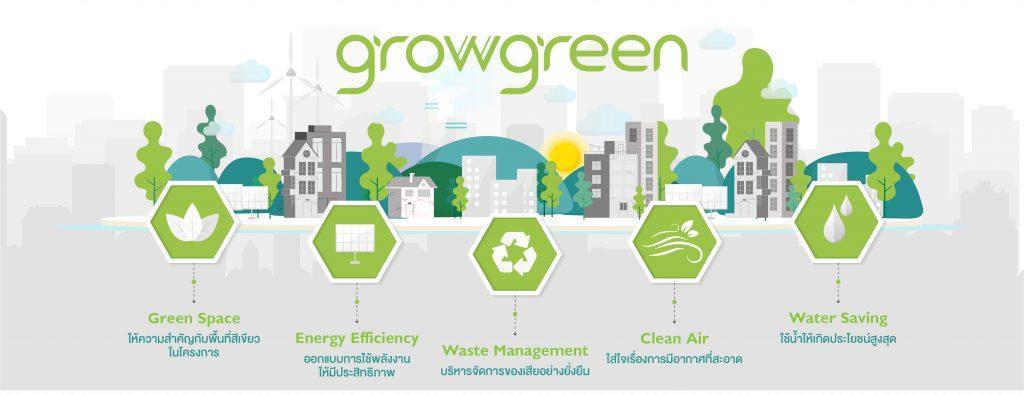
The company has adopted the GrowGreen concept to implement in residential projects under the brand "The Title" The environmental policies and practices are as follows:
1. Green Space: Emphasizing the importance of green spaces within the project.
- Shaded common areas that are functional and beneficial.
- Preserve existing trees while expanding green spaces.
- Providing relaxation and a refreshing atmosphere through large trees and lush greenery for people within the community
The implementation guidelines are as follows:
- Tree Protection: Preserving existing trees within the project site and utilizing their shade effectively.
- More Trees & Greenery: Landscape design that prioritizes green spaces and large garden areas within the project.
- Enhancing productivity through green spaces surrounding the project, providing relaxation for users and visitors at all times
2. Energy Efficiency: Designing energy use for optimal efficiency.
- Design that takes into account wind direction and sunlight, helping to reduce the use of electrical appliances.
- Utilizing energy in the most efficient way through design tools and technology.
The implementation guidelines are as follows:
- EV Station: Designing the project to include parking spaces for electric vehicle charging.
3. Waste Management: Sustainable waste management practices.
- Encouraging activities to promote waste segregation.
- Reducing waste at the source.
The implementation guidelines are as follows:
- Raising awareness among employees within the organization by applying the 3Rs concept to reduce waste in daily life: Reduce, Reuse, Recycle.
- Using precast concrete walls instead of brickwork to reduce construction waste.
4. Clean Air: Focusing on maintaining clean air quality.
- Using construction materials that do not contribute to air pollution.
- Designing with consideration of wind direction to allow natural air circulation.
The implementation guidelines are as follows:
- Designing to align with wind direction, incorporating ventilation and sunlight channels to reduce the need for air conditioning.
- Increasing green spaces within the project, focusing on plant species that help purify the air.
5. Water Management: Maximizing the use of water resources.
- Designing the water usage system within the project for maximum efficiency.
- Installing wastewater treatment systems to reduce pollution before discharge.
- Reducing water consumption within the organization.
The implementation guidelines are as follows:
- Designing the landscape to harvest rainwater for optimal use, with a water usage system in the building.
- Having a wastewater treatment pond before discharging water outside the project.
- Promoting water conservation within the organization by encouraging employees to use water only as necessary and to turn off taps after use.
Summary of environmental management goals and results
Power Management
Target

Reduced electricity expenses at the Head Office and Phuket Office by
Performance

Electricity expenses decreased by
Water Management
Target

Reduced water utility expenses at the Head Office and Phuket Office by
Performance

Water utility expenses increased by
Efficient and Responsible Use of Resources
Target

Reduced office supply consumption by
Performance

Reduced office supply consumption by
Greenhouse Gas Emissions (GHG Emissions)
Target

Net Zero Greenhouse Gas Emissions.Reduce Scope 1, 2, and 3 greenhouse gas emissions intensity by at least
Performance

The Company is currently in the process of studying and collecting data related to greenhouse gas management from its business operations, including assessing the percentage reduction in greenhouse gas emissions resulting from its operational activities.
In 2025, the Company’s water utility expenses increased by 48% compared to the 2024 base year, which did not meet the established water management target. This increase was primarily due to a significant rise in the number of employees and the expansion of the Company’s sales offices during the year.
Nevertheless, the Company continues to promote and emphasize awareness among employees regarding the efficient use of resources to maximize effectiveness. This initiative aims to cultivate responsible habits that can be applied in their daily lives. The Company provided knowledge and required 100% of employees to acknowledge the policy in writing, conducted training sessions, and disseminated information through the Intranet.
Environment Performance
The Company cares about environmental performance to reduce environmental impact throughout work processes and activities as follows:
Reducing Environment Impact
Building constructions and public utilities of the project will be under the control of the Enhancement and Conservation of National Environment Quality Act, B.E. 2535, and Enhancement and Conservation of National Environmental Quality Act (No. 2) B.E. 2561. The Company always focuses and concerns about the impact of project operation on the environment and surrounding community. Therefore, a clear policy has been established to follow and comply with the environmental impact reduction measures and environmental impact motoring measures specified in the Environment Impact Analysis (EIA) report. It has been strictly approved by the Office of Natural Resources and Environmental Policy and Planning, the Ministry of Natural Resources and Environment, and various related laws. In the past, The Company has no issue with environmental impact and significant additional costs to prevent environmental impact.

Reducing Safety and Occupational Health Impact
The Company cares about preventing environmental impact by taking the next step with ESG (Environmental Social Governance) which adheres to the principle of being environment friendly, preventing global warming, reducing the crises of soil, water, and climate, saving energy, reducing greenhouse gases emission, using resources efficiently by being socially responsible, improving health and community hygiene, and applying recycling processes seriously.
Cost-Effective Resource Management
Electrical Energy within the Office Management
Electricity is a critical resource for the Company’s business operations. To reduce electricity consumption within the offices, the Company organized energy-saving campaigns encouraging employees to conserve electricity through various communication channels. Awareness stickers reminding employees to turn off lights after use were installed, and employees were encouraged to start by adjusting their own behavior.The Company also promoted indirect energy-saving measures, including designating specific areas for necessary lighting, replacing all office lighting with LED bulbs, turning off unnecessary lights and lights during lunch breaks, switching off air conditioning during lunch hours, unplugging electrical appliances after use, and ensuring lights are turned off when not in use. The Company remains committed to reducing electricity consumption and fostering awareness among all employees regarding their role in energy conservation, environmental protection, and eco-friendly practices. Accordingly, the Company set quantitative targets to reduce electricity expenses at the Head Office and Phuket Office. In 2025, electricity expenses decreased by 9% compared to the 2024 base year, exceeding the target reduction of 5%.
Installation of Electric Vehicle (EV) Charging Stations
The Company has installed Electric Vehicle (EV) charging stations to provide greater convenience for residents who own electric vehicles within its projects. Users can connect to the EV Charger application, where charging service fees are clearly displayed on the application screen.This initiative supports the use of clean energy, reduces greenhouse gas emissions, and promotes environmentally friendly transportation. It reflects the Company’s commitment to encouraging the adoption of renewable energy among residents of the The Title projects.

Water Management
The Company places importance on the efficient and optimal use of water resources. Accordingly, it set a quantitative target to reduce water consumption within the organization by 5% compared to the previous year. However, based on water usage data, total water consumption in 2025 increased by 48% compared to 2024, which did not meet the established water management target. This increase was primarily due to a significant rise in the number of employees and the expansion of the Company’s sales offices. To reduce water consumption within the organization, the Company has implemented awareness campaigns encouraging employees to use water responsibly. These initiatives include communicating guidelines for proper water usage, encouraging employees to turn off taps when not in use, selecting water-saving sanitary ware, conducting regular inspections of plumbing systems, and operating wastewater treatment ponds before discharging water outside the project. These measures aim to promote water conservation and responsible water use throughout the organization.
Garbage, waste and pollution management
Responsible and Efficient Use of Resources
The Company has implemented campaigns encouraging employees to use paper efficiently in order to help reduce deforestation. Emphasis is placed on double-sided printing, promoting the use of electronic document (E-Document) systems and online approval processes to minimize paper consumption at the Head Office and project sites. Office supply disbursement is controlled through a centralized system to prevent duplicate purchases. Employees are encouraged to use materials prudently and reuse them where appropriate. The Company also promotes awareness of responsible office equipment usage to extend the lifespan of assets and maximize resource efficiency.
Management of waste and pollution arising from business operations
The company places importance on complying with the law. Strict environmental regulations and compliance with environmental impact management standards throughout the operating process. Especially in construction project areas The company places importance on preventing various types of pollution. that may occur For example, preventing noise pollution that may cause nuisance to surrounding communities. Transportation management may cause traffic congestion in surrounding community areas. Preventing and reducing the amount of dust and reducing the amount of waste from construction work Therefore, we give importance from design. and construction process steps that use techniques and methods to reduce waste materials from construction work to a minimum. To prevent various problems that may arise from the company's operating processes
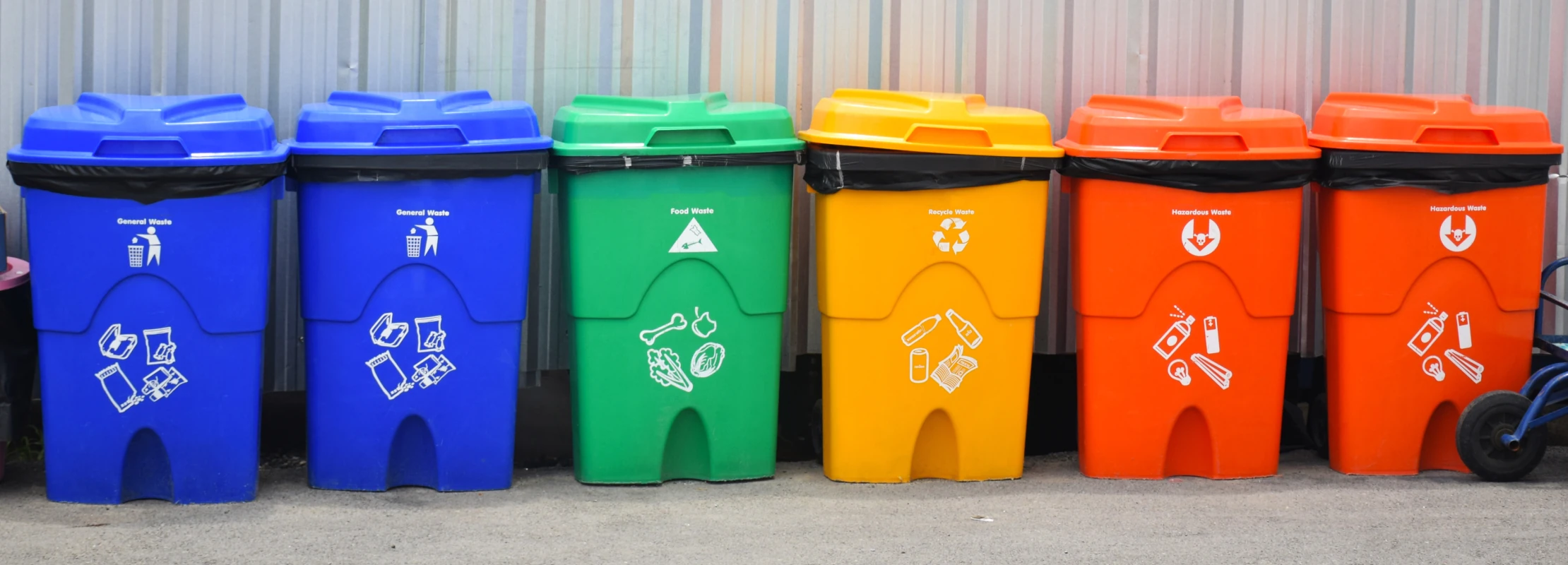
For completed projects, the company has provided waste disposal rooms on each residential floor, and the project area includes designated waste separation points. These include bins for wet waste, general waste, recyclable waste, hazardous waste, and infectious waste. The bins are color-coded according to waste type, and residents are informed about waste segregation. Furthermore, waste in the project will be sorted before being transported for disposal.
Separating waste within the office
The company takes into account the management and reduction of waste within the office. Separated by type of waste as required by law. There is orderly-mannered garbage separation point that is fully covered in an appropriate place. The Company also employs the 3Rs method to employees to reduce waste in daily life as follows:
Reduce

- Use an email to reduce paper use.
- Think before printing or photocopying and use it as little as possible.
- Use alternative technologies to reduce paper use.
- Use cloth bags to reduce plastic bags use.
- Use a tiffin or lunch box to put food in. Instead of putting in a foam box
Reuse

- Encourage to reduce packaging use such as dishwashing liquid, hand soup or coffee etc.
- Wash and reuse glass bottles.
- Donate cloths instead of throwing them away.
- Use the remaining page of written report paper as a note.
Recycle

- Dispose and separate recycled wastes for example paper, metal, plastic water bottle or can to reduce waste disposal by landfill it.
- Buy products that can be recycled or made from recycled materials.
- Recycle organic wastes such as making compost.
In addition, the Company recognizes the growing environmental challenges affecting coastal areas, particularly marine pollution caused by waste, which disrupts the natural ecological balance. As global awareness of these issues and their long-term impacts continues to increase, the Company likewise acknowledges its responsibility in addressing them. Accordingly, the Company has mobilized employees and local volunteers to participate in monthly beach clean-up activities. These initiatives aim to help restore and preserve Thailand’s clean and beautiful coastal environment for the long term.
In 2025, Rhombho Property Public Company Limited has regularly organized coastal cleanup activities as follows:
On 4 May 2025, in celebration of the Coronation Day of King Maha Vajiralongkorn, the Company organized a beach clean-up activity at Nai Yang Beach, Phuket Province.
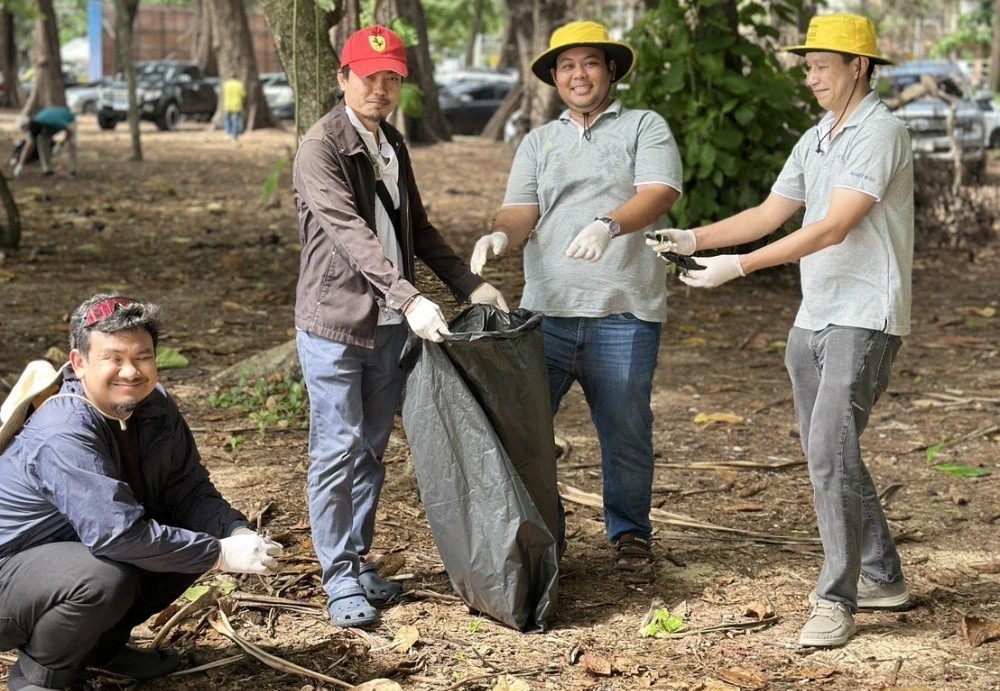
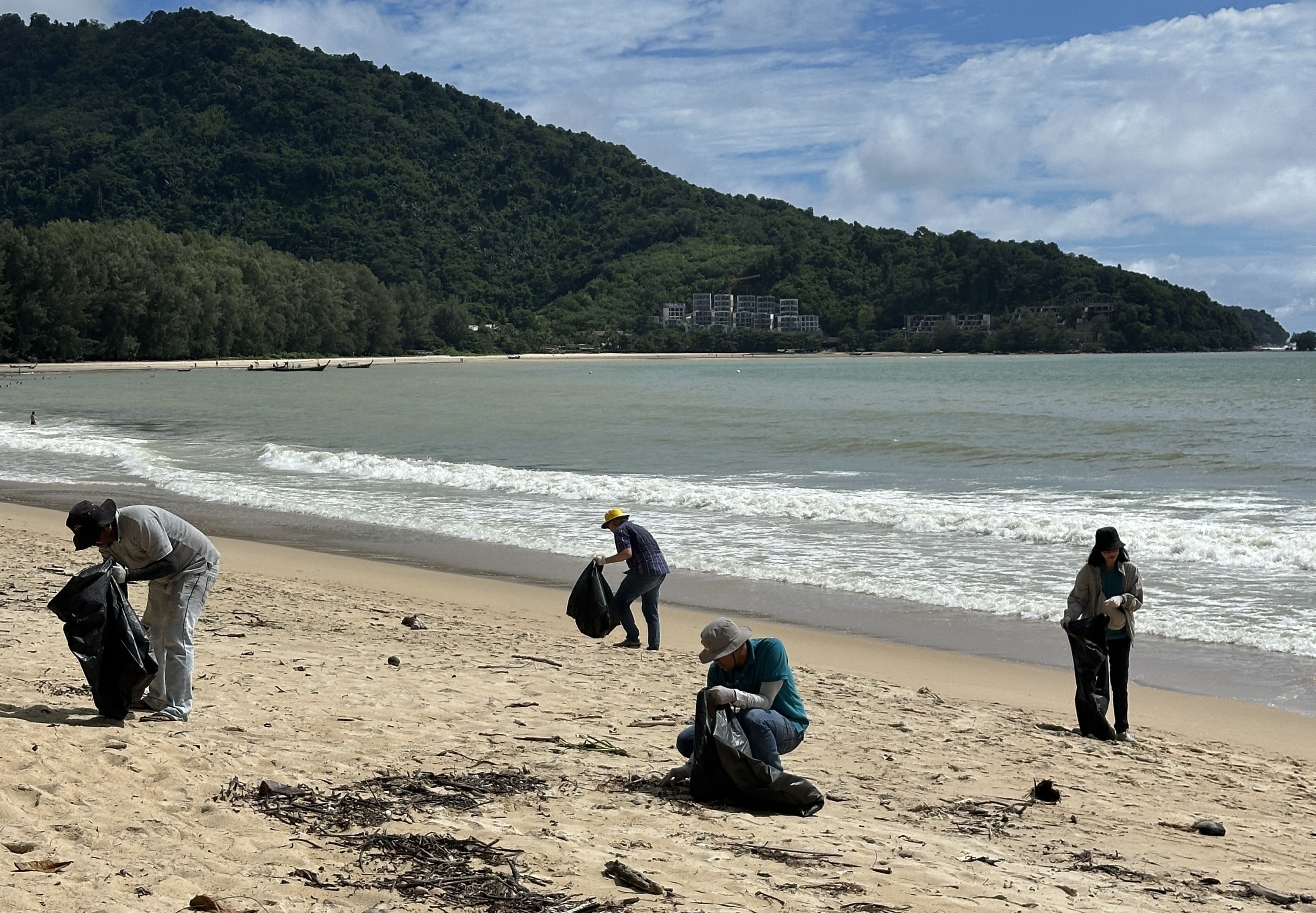
On 7 May 2025, the Company organized a beach clean-up activity at Nai Yang Beach, Phuket Province, to help protect sea turtles and ensure a safer marine environment.
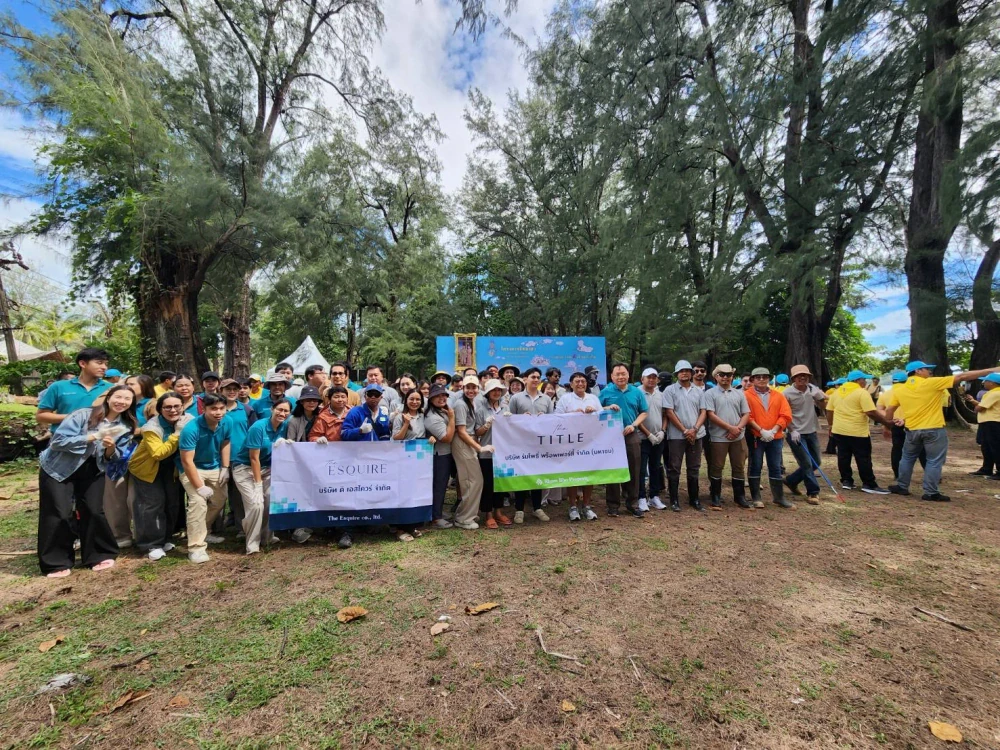
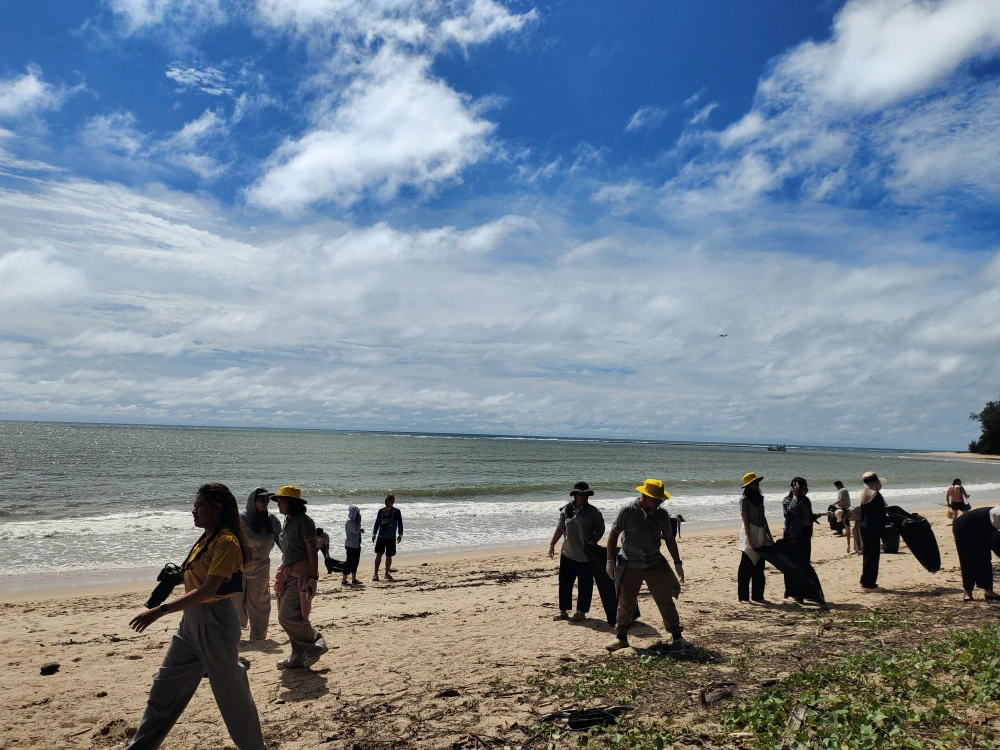
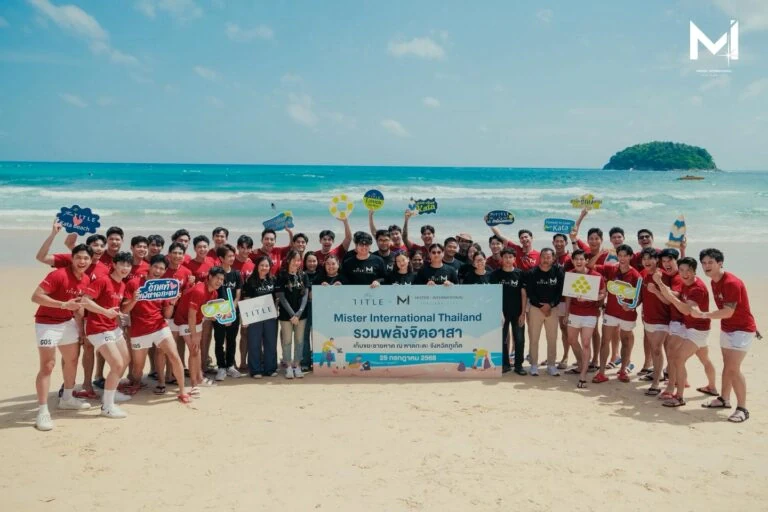
On 25 July 2025, the Company organized a volunteer beach clean-up activity at Kata Beach, Phuket Province.
Rhombho Property Public Company Limited warmly welcomed 30 contestants from Mister International Thailand 2025 and introduced The Title Legendary Bang – Tao, a luxury condominium in the heart of Bang Tao Beach, as well as the sales gallery of The Katabello , a Mediterranean-style luxury condominium near Kata Beach. The visit provided contestants with the opportunity to experience residential living in one of Phuket’s prime locations while participating in a volunteer beach clean-up activity at Kata Beach to help conserve natural resources and promote sustainable environmental stewardship.

Greenhouse Gases Reduction Management
The Company prioritizes reducing greenhouse effect management. However, it is still in process of studying greenhouse gas emissions from company’s activities. There are guidelines for reducing greenhouse gas emissions as follows:
- Promote to keep air-conditioning temperature at 25 degrees Celsius, reduce unnecessary electricity use, and maintain electrical appliances within the Company regularly.
- Promote water saving and use it as needed, and don’t leave the water running to prevent water shortage problems in the future.
- Share knowledge with employees and housekeepers of sorting and disposing of waste correctly to minimize trash pilling up, burning, and landfilling problems. All of these create carbon dioxide (CO2) and methene (CH4) which are greenhouse gases that are important to contribute to global warming.
- Create a livable environment, increase green spaces and use environmentally friendly materials.
- Having spaces to grow vegetables can prevent global warming, decrease carbon dioxide emissions, and also have fresh and delicious non-contaminant vegetables which are good for health to eat a whole year.
The Company is currently in the process of studying and collecting data on greenhouse gas management from its business operations. Therefore, a formal assessment of the Company’s carbon footprint has not yet been conducted.

Green Procurement
The company promotes a procurement process that considers the environment and supports the selection of eco-friendly products and materials. This is done by purchasing from certified organizations or those with labels confirming that the products are environmentally friendly, for use in construction projects and at the company's headquarters and sales offices. The aim is to reduce greenhouse gas emissions.
The company plans to continuously increase the procurement of environmentally friendly products and materials. The action plan is as follows:
- Increase the number of suppliers and environmentally friendly products or services, as well as green services, to serve as guidelines for sustainable sourcing and procurement.
- Communicate to suppliers the guidelines for sourcing and procuring environmentally friendly products and services.
- Collaborating with partners to consider the selection of materials and services that take environmental impact into account, such as choosing recyclable or reusable materials, and opting for energy-efficient appliances in the project.
- Selecting water-saving sanitary ware and faucets helps reduce household water consumption, conserve water resources, and enable residents within the project to lower their water utility expenses.


The company also procures environmentally friendly products and products with environmental certification labels, which have production processes that reduce environmental impact. For example, photocopy paper produced using eco-fiber pulp instead of wood pulp, which reduces tree usage by up to 10%, using Taxca Wall panels with a green label certified as environmentally friendly products, using green-labeled photocopiers according to environmental standards, and energy-efficient air conditioners with a 5-star rating, among others.
Increasing Green Space
The company is committed to conducting business. based on sustainable development Have social and environmental responsibility In the course of business, CO2 is released at various stages of business activities. Increasing green space is therefore one goal of being responsible for society and the environment as well as supporting community forests. The company and its employees participated in the following activities:
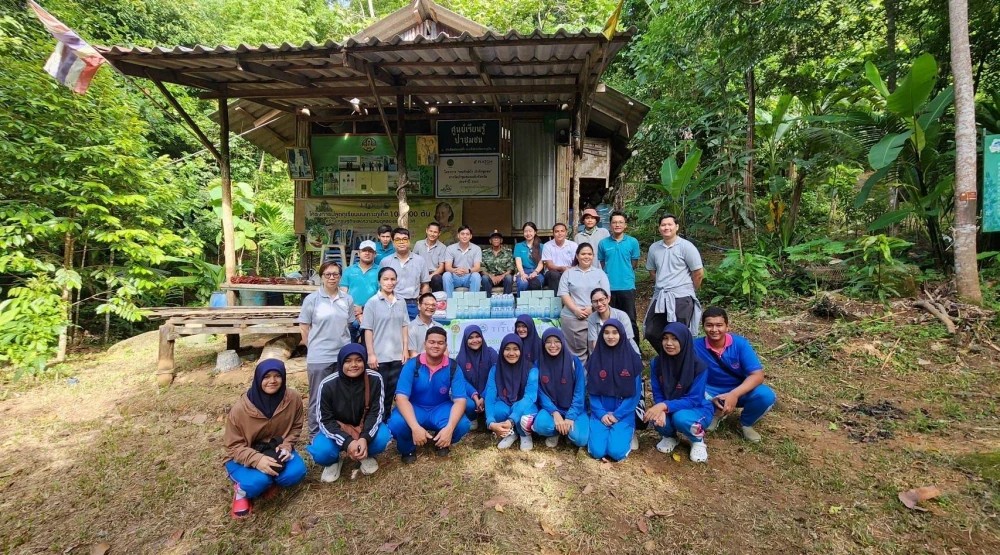
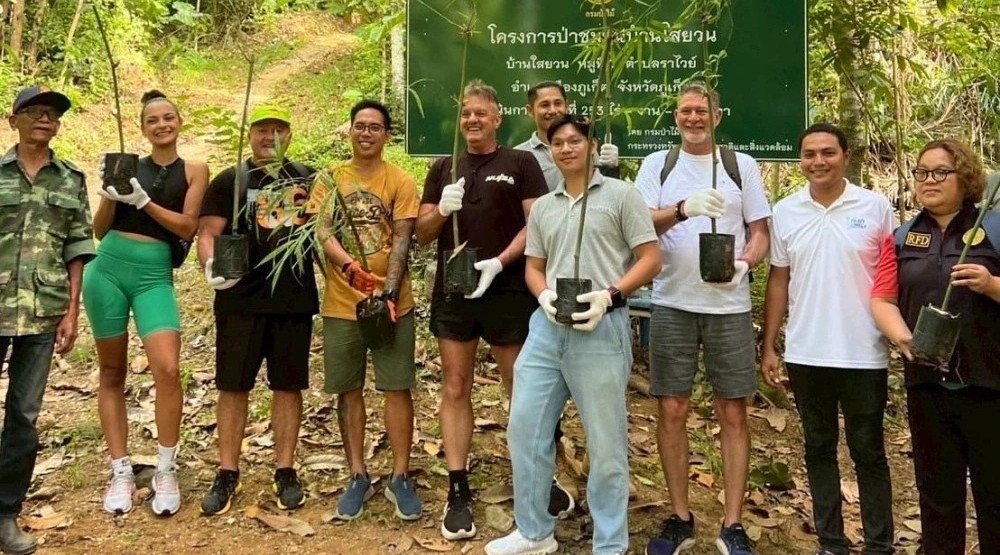
On 24 July 2025, the Company organized a reforestation activity in collaboration with the Community Forest Committee of Rawai Subdistrict, Village No. 7 (Baan Saiyuan). This initiative was undertaken to help restore degraded ecosystems, preserve biodiversity, prevent natural disasters, absorb carbon dioxide, conserve water resources, maintain environmental balance, and enhance community quality of life through sustainable land use allocation, while fostering environmental awareness and a love for forests among local residents.
The Company places great importance on being an active part of the community and on environmental stewardship. It is committed to creating sustainability in Phuket Province through activities that promote collaboration and shared responsibility under the GrowGreen concept — striving to continuously balance development and conservation for the improved quality of life of residents and the local community.