Sustainability Management in The Societal Dimension







Respect for Human Rights
Rhombho Property Public Company Limited and its affiliated companies (“the Company”) recognize the importance of respecting human rights, human dignity, and the fundamental rights of individuals. The Company is committed to treating everyone with equality and fairness, ensuring that interactions among employees are conducted with mutual respect and regard for one another.
Additionally, the Company places great emphasis on labor rights, ensuring equality and fairness in all aspects of employment processes, including recruitment, compensation, performance evaluation, and more, without any discrimination. The Company actively promotes and supports human rights and will not engage in any activities that violate human rights principles. It is committed to not using forced labor in any form, including labor resulting from human trafficking or child labor that is illegal.
Human Rights Policy
Board members, executives, and employees at all levels must recognize the importance of and respect human rights in all aspects, for every individual, as well as society and communities, in accordance with the laws of each country and the international treaties that each country is obligated to comply with. This includes the following principles:
- Treat everyone with equality and dignity, in accordance with human rights principles, free from any form of discrimination.
- Avoid any actions that violate human rights.
- Support and promote human rights.
- Communicate, disseminate knowledge, provide understanding, establish guidelines, monitor, and offer support to relevant stakeholders.
Human Rights Policy Guidelines
- Respect human rights by treating one another with respect and dignity, and ensuring equal treatment for all stakeholders and vulnerable groups, without any discrimination based on physical or mental differences, race, nationality, origin, ethnicity, religion, gender, language, age, skin color, education, social status, culture, customs, or any other factor.
- Perform duties with caution to prevent the risk of human rights violations in business operations.
- Treat each other in a manner that avoids any form of harassment or abuse, including sexual harassment and other forms of harassment, whether through verbal actions, gestures, or inappropriate conduct.
- Continuously develop and implement a human rights management process (Due Diligence Process) that covers all stages of the business value chain, including investments and mergers or partnerships. This process aims to identify issues, assess risks, and evaluate the impact of human rights violations. It also involves identifying the groups or individuals affected, ensuring that all stakeholders are considered. The process will establish plans and guidelines for corrective and preventive actions, manage and mitigate human rights violations in alignment with the organization's risk management approach. This includes addressing risks in relevant industries and countries, and ensuring proper monitoring and evaluation. In the event of human rights violations, a suitable remedy and impact mitigation process will be implemented.
- Communicate and disseminate the policy, provide knowledge and understanding, establish guidelines, and offer other support to employees, partners, business counterparts in the business value chain (suppliers/contractors), as well as joint venture partners, to encourage ethical business practices, respect for human rights, and adherence to human rights principles outlined in this policy. Regularly review understanding and conduct human rights training, including on discrimination and harassment in the workplace, for all employees and relevant stakeholders.
- The company is committed to creating and maintaining an organizational culture that upholds respect for human rights in accordance with this human rights policy.
- Monitor and ensure respect for human rights, without neglecting or ignoring any actions that may involve human rights violations related to the company. Such incidents must be reported through the company’s whistleblower channels and full cooperation should be given in fact-finding investigations. If there are any doubts or inquiries, employees are encouraged to consult their supervisors or the company's secretariat at 0-2103-6444 or via email at comsec@rhombho.co.th.
- The company is committed to this policy, including non-discrimination, anti-harassment, and a zero-tolerance approach to all forms of harassment (both sexual and non-sexual). Any complaints received regarding violations of this policy will be considered fairly and appropriately in accordance with the company’s whistleblower policy. These complaints will be kept confidential to ensure fairness and protect the individuals who report human rights violations related to the company.
- Individuals who violate human rights, engage in discriminatory behavior, or commit harassment will be considered to have violated this policy or the company’s business ethics. The company will take corrective actions or consider disciplinary measures in accordance with the company's regulations. Additionally, legal action will be considered if the behavior is in violation of the law.
- The company is committed to communicating, reporting, and disclosing information regarding human rights operations, mitigation and remediation efforts, as well as incidents of discrimination and harassment to the public in a complete and transparent manner.
- The company will review the human rights policy annually and will also review it whenever there are significant changes that may impact the organization.
Fair Treatment of Employees and Workers
Employees are considered the company’s most valuable resource and a key factor in its success. Therefore, the company is committed to developing and fostering a positive organizational culture and work environment, promoting teamwork, and creating love and unity within the company. The company treats employees based on ethical principles. In addition, the company places clear and concrete emphasis on the safety, health, and environment of the workplace. The following guidelines have been established to support these principles:
- Treat employees with courtesy and respect for their dignity, individual rights, and human rights.
- Protect employees' personal information by limiting the disclosure and use of personal data such as family history, salary, performance evaluations, and medical records to only those within the company who need it. Personal information will not be disclosed to external parties without the employee's consent, unless it is information that must be disclosed to relevant external parties for clarification or legal procedures.
- Provide equal opportunities in hiring, appointment, transfers, as well as rewarding or recognizing employee achievements and imposing penalties with sincerity and based on the knowledge, skills, and suitability of the employees, in accordance with the company's rules and regulations. This will be done without regard to gender, nationality, race, religion, or beliefs.
- Provide fair compensation to employees that exceeds the legal requirements, both in the short and long term, considering the company's performance alongside the employee's job performance. The company will manage wages, salaries, benefits, and welfare in accordance with industry standards to attract and retain skilled and capable personnel within the organization.
- Maintain a work environment that ensures the safety of employees' lives and property at all times, and promote good hygiene in the workplace. Additionally, provide employee benefits and entitlements such as provident funds, medical care, annual health check-ups, marriage allowances, funeral assistance, accident insurance, and health insurance, among others. The company will also communicate with employees to encourage the continuous use of these benefits to maintain a high quality of life for all employees.
- Place importance on the development and enhancement of skills and potential to prepare employees for career growth. Provide opportunities for employees to learn comprehensively and consistently.
- Strictly adhere to all laws and regulations related to employees and avoid any actions that are unfair or may have negative impacts on employees.
- Foster and cultivate a positive mindset in employees, encouraging them to share, be generous, respect each other's opinions, and be responsible citizens of society.
-
Establish policies on safety, health, and environmental standards in the workplace and ensure that employees adhere to them strictly at all times. The company has the following safety policies in place:
- Commit to supporting the company's activities while ensuring compliance with safety laws and other relevant regulations.
- Establish that workplace safety is the primary responsibility of all employees in the performance of their duties.
- Require that all levels of management serve as role models, leaders, and trainers, motivating employees to perform their tasks safely.
- Require that all employees prioritize their own safety, the safety of their coworkers, and the protection of company property at all times while performing their duties.
- Require that all employees maintain cleanliness and orderliness in their work areas at all times.
- Commit to supporting safety activities that encourage, promote, and develop employees' awareness of safety in the workplace.
- Commit to supporting the continuous review, improvement, and development of the safety management system.
- The company provides opportunities for employees to participate in expressing opinions to improve work processes, propose suggestions related to employee benefits, and encourage the creation of relationships between departments within the organization.

Responsibility to Customers
The company is committed to creating satisfaction and confidence for its customers, which directly impacts the success of the business. Therefore, the company continuously seeks ways to effectively and efficiently meet customer needs. A system for managing after-sales customer care is in place to maintain long-term good relationships. The following guidelines have been established:
- Deliver high-quality products and services that meet or exceed customer expectations, under fair terms and prices. These products and services must be safe, non-hazardous to the health of customers, and reliable. The company ensures that customers' rights to access its products and services are not restricted, and fair commercial terms are established for customers.
- Provide accurate, sufficient, and timely information, including communicating product or service details to customers. All relevant details should be correctly, clearly, and truthfully presented to prevent any misunderstandings regarding the quality, quantity, or terms of the product or service, without distorting the facts.
- Interact with customers politely, efficiently, and in a trustworthy manner, ensuring a prompt response to their needs in order to achieve the highest level of customer satisfaction.
- Implement measures to protect personal data and maintain the confidentiality of customers in accordance with the Personal Data Protection Act and other relevant laws. The company will ensure that customer information or secrets are not used for personal gain or by any unauthorized parties. Customer data will not be disclosed without prior consent from the customer or authorized company personnel, except when required to be disclosed to external parties for legal clarification or action. Additionally, a channel and process will be established to handle customer complaints regarding personal data.
- Prepare documents to introduce the service team to customers after rental and ownership transfer, including following up and inquiring about customer satisfaction. This also includes fostering relationships with residents and supporting customers in their social and environmental responsibility efforts.
- Provide channels for customers to offer suggestions, file complaints or grievances related to the company, or request assistance and advice on matters related to the company.
Protecting the privacy of customer information
The Company recognizes the importance of protecting the personal data of both internal and external stakeholders, including customers, shareholders, employees, and business partners, who contact the Company through various channels and/or enter into purchase transactions or use other services of the Company. Customers’ personal data must be protected in accordance with the Personal Data Protection Act B.E. 2562 (2019) and other applicable laws. In addition, the Company has appointed a Data Protection Officer (DPO) to oversee compliance with policies, laws, and guidelines relating to customer personal data protection. The DPO is responsible for establishing operational guidelines, monitoring compliance, providing recommendations to ensure proper practices, and safeguarding confidential customer information obtained in the course of business operations. Such information must not be disclosed unless disclosure is required by duty or permitted by law. The Company has also communicated its Personal Data Protection Policy to all employees via the corporate intranet and email system. A total of 100% of employees have formally acknowledged and signed their acceptance of the Personal Data Protection Policy.
The Company has therefore established channels for filing complaints regarding personal data breaches as follows:
- By postal mail (sealed envelope) addressed to:Data Protection Officer (DPO) 444-444/1 Pracha Uthit Road, Huai Khwang Subdistrict, Huai Khwang District, Bangkok 10310
- By email: Data Protection Officer (DPO) at CG@rhombho.co.th
- Through the Company’s website: www.thetitleresidence.com
In 2025, the Company did not receive any complaints or incidents related to customers’ personal data.
Development of products and services that are safe for customers' health and well-being.
The company recognizes the importance of real estate development and comprehensive after-sales services. It has policies and practices that consider project locations with high potential, convenient transportation, and proximity to public utilities. The designs prioritize efficient use of space and well-planned common areas, ensuring safety and security with standardized systems to truly meet all residential needs. Additionally, the company provides comprehensive after-sales services, including 24/7 customer support, maintenance requests, resale assistance, and rental management.
In 2025, no cases of non-compliance with applicable occupational health and safety laws and regulations were identified, including regulations related to customer personal data protection and product marketing communications.
Providing accurate and complete information about products and services, without exaggerating or misleading in advertising.
The company is always aware that the needs of the target customer group are the key to initiating any project development. Therefore, the company places great importance on the approach to real estate project development to meet the needs of the customer group. It also emphasizes the communication of product details to customers in order to ensure fairness to consumers under the Consumer Protection Act. The company ensures that the information provided is accurate and truthful regarding the products and/or services, with no misleading advertisements or exaggerated claims. Furthermore, the company ensures the accuracy of information shared through various advertising channels, such as the company's official website, platforms, billboards, and public relations via newspapers, magazines, etc.
In 2025, the company did not use any exaggerated or misleading statements.

Treatment of trading partners and contracts
The company has a policy to treat business partners equally and establish practices for procurement that are fair. Any actions must consider the company's reputation, legal compliance, regulations, and important practices, as well as adhering to agreements with partners. The company also emphasizes fairness in business operations and mutual benefits with partners. Therefore, the company has established the following guidelines for practice:
- Establish criteria for selecting customers transparently and fairly, taking into account the partner's potential for sustainable business operations, the ability to deliver quality products in accordance with standards, and meeting deadlines. The company also aims to avoid any illegal labor practices and violations of human rights.
- The company treats all customers equally under the same criteria and conditions to ensure fairness for all parties.
- The company provides opportunities for new partners to join in order to foster development in skills and new technologies, with a partner selection process that is fair, transparent, and auditable.
- Provide truthful information and accurate reports to partners.
- Do not solicit, accept, or provide any improper benefits in commercial dealings with partners. To prevent unfair practices, the company prohibits the acceptance of assets or other benefits from partners or individuals involved in business with the company. However, in cases where gifts are received due to customary traditions, such as New Year celebrations, such gifts must be forwarded to the Human Resources Department for communal use.
- Encourage the company's partners to cooperate in preventing and combating corruption by refraining from offering bribes in any form to government officials or company employees to facilitate improper practices under any circumstances.
- Strictly adhere to contracts or agreed-upon conditions. In cases where any condition cannot be fulfilled, promptly inform the partner to collaboratively consider solutions based on the foundation of the business relationship.
- Establish clear payment schedules for goods and services and ensure timely payments.
- Support and assist partners in conducting their business alongside the company's operations, ensuring fair trade practices without exploitation.
- Provide a channel for partners to file complaints in cases of unfair treatment or harassment, allowing them to report directly to the Chief Executive Officer and the Chairman of the Audit Committee.
- Implement measures to safeguard partners' confidential information by ensuring that such data is not misused for personal or related parties' benefit. The company will not disclose partners' information without prior consent from the partner or authorized personnel of the company, except when disclosure is required to external parties for clarification or legal proceedings.
- Promote and support the development of partners' capabilities and business operations by collaborating to enhance the quality of products and services, fostering innovation for mutual benefit, and organizing training and seminars to improve partners' knowledge and skills. This ensures that partners can conduct their business sustainably alongside the company.

Guidelines for combating corruption
- The company has established a "No Gift Policy" during festive seasons such as New Year or other occasions to create a positive business standard. This policy is communicated to the board of directors, executives, employees, and business partners of the company.
- The company ensures reliable financial reporting, effective operational systems, and the assessment of risks related to corruption, bribery, and unethical practices in business processes. Regular monitoring is conducted to maintain transparency in operations.
- The company has established measures to disseminate, promote, and develop knowledge and understanding within the organization, particularly among personnel who interact with stakeholders. This is aimed at fostering a strong sense of awareness and creating a corporate culture that does not tolerate corruption.
- The company has established channels for reporting and whistleblowing regarding actions that may lead to corruption within the company. The company ensures protection and fairness for whistleblowers, including employees who refuse to participate in corruption or those who report corruption related to the company. These channels are outlined in the company's policy on receiving complaints and whistleblowing on misconduct.
- The company considers any actions, involvement, or knowledge of corruption to be a violation of the company's business ethics. The individuals involved will face disciplinary action as defined by the company. If a legal violation occurs, the company will consider taking legal action in accordance with the relevant laws.
-
The guidelines for the conduct of directors, executives, and employees are as follows:
- Directors, executives, and employees of the company must comply with the "Anti-Corruption and Anti-Bribery Policy" and must not be involved in corruption, either directly or indirectly.
- Directors, executives, and employees of the company must not abuse the authority entrusted to them by the company to seek personal benefits or to provide benefits to family members, associates, or close individuals, either directly or indirectly. This includes any unethical actions such as selling personal products or services to the company or engaging in direct or indirect business competition with the company.
- Executives and employees must not neglect or ignore any incidents of actions that may involve corruption related to the company. They are required to inform their supervisor or the responsible person or report through the "Whistleblower Channel" for complaints, tips, and feedback. Executives and employees must cooperate in the investigation of the facts.
- Executives and employees of the company must not solicit or accept any improper benefits from stakeholders as defined in the company's policies regarding the acceptance or provision of gifts or other benefits. They must exercise caution and avoid accepting entertainment or hospitality from stakeholders who may benefit from the actions of the company's employees or executives.
- Employees of the company have the responsibility to explain and request cooperation in implementing the "No Gift Policy" and to inform stakeholders of the company periodically, such as during important festive seasons.
- Executives and employees must cooperate in promoting good practices within the organization with the departments responsible for internal control and auditing. This includes providing information and following up on actions if corruption is discovered or if relevant information is identified. Whistleblowers, reporters, or complainants will be protected fairly, and all information provided will be treated as confidential by the company.
Guidelines and operating requirements
The anti-corruption policy covers all activities related to the company's operations. Any actions taken in accordance with the anti-corruption policy should follow the established guidelines and other practices defined by the company to ensure clarity in implementing the policy and to mitigate risks that could lead to corruption. Directors, executives, and employees at all levels of the company must carry out their duties with caution in the following areas:
1. Receiving things or any other benefits
- The company requires that directors, executives, and employees refrain from accepting any gifts or benefits from all stakeholders involved in the company's business operations. This includes accepting gifts, soliciting donations, requesting entertainment, receiving financial contributions, and similar actions.
- Employees have the responsibility to inform business partners and relevant stakeholders about the company's "No Gift Policy" periodically and request their cooperation in adhering to this policy.
-
In cases where it is necessary to accept gifts or benefits that cannot be avoided, such as when a business partner is unaware of the "No Gift Policy" and presents a gift, or when an employee finds themselves in a situation where they cannot refuse the gift to maintain good relations between individuals or organizations, employees should follow these steps:
- It is established that managers and above are the only levels authorized to accept gifts, and the value of such gifts must not exceed 3,000 Baht. If the value exceeds this amount, the company does not permit the acceptance of the gift and requires that the person offering the gift be informed about the "No Gift Policy".
- Once a gift is received, it must be reported, and the gift should be immediately submitted to the Human Resources department for further handling. If the gift is perishable with an expiration date or a souvenir item, the Human Resources Manager may distribute these items to employees as deemed appropriate.
- In cases where the company is offered awards, souvenirs, or gifts from competitions, contracts with business partners, or events that recognize the company's achievements, the company may accept such items in an organizational capacity. A manager or higher-level executive will be assigned as the representative to receive the items. These items will be considered the property of the company.
- The company allows the acceptance of souvenir items valued at no more than 500 Baht during traditional festive seasons, public relations events, or seminars, such as calendars, pens, notebooks, etc.
- In cases of receiving sponsorship for entertainment, training seminars, study tours, or visits to businesses from stakeholders involved in the company's operations, the expenses cannot be covered by the company, unless it is deemed appropriate, in accordance with customs, traditions, or relevant laws. Additionally, such offers must be made between organizations, not individuals, and must undergo evaluation and approval according to the company's approval authority and procedures.
2. Giving things or any other benefits
The company sets guidelines regarding the giving of gifts or other benefits to customers, business partners, business agents, business allies, or individuals involved with the company’s operations. Such actions are allowed during traditional festivals and ceremonies, provided they do not violate the law and do not serve as undue incentives that could influence decision-making unethically. This is to avoid and prevent any actions resembling bribery that could lead to corruption. Management and employees must strictly adhere to the company's approval authority procedures and ensure compliance with these regulations.
3. Charitable donation policy or financial support
Donations, fundraisers, sponsorships, gifts, or any monetary contributions for charitable purposes must be conducted transparently and in accordance with the law. It is essential to ensure that such actions are not used as an excuse for giving or receiving bribes. In cases where the donation amount is significant, the company will present it to the authorized personnel for review and approval, in accordance with the approval authority procedures. The process must be carried out rigorously to prevent any potential opportunities for corruption.
4. Political assistance policy
The company conducts its business with political neutrality, refraining from involvement with or favoring any political party, politician, or political authority. The company does not use its funds or resources to support any political party, politician, or political figure, either directly or indirectly. This policy ensures that the company remains independent and impartial in its operations, without any influence from political affiliations.
The company has established a policy prohibiting directors, executives, and employees from using their positions, company assets, time, or any resources for political activities or supporting political organizations or entities. Additionally, the company prohibits the use of authority to coerce, pressure, or encourage colleagues or subordinates to support any political activities. This policy ensures that the company's operations remain free from political influence and maintains a neutral stance on political matters.
5. Business Relationships and procurement
The company strictly prohibits the giving or receiving of bribes in any form in its business dealings with business partners, contractors, or any organizations, both public and private, involved with the company. All business operations must be conducted transparently and in compliance with legal regulations. Each step of the procurement process, including payments and contracts, must be supported by clear and appropriate evidence, ensuring that all actions align with the company’s approval authority and are executed diligently and rigorously.
6. Welcome service fee and other expenses
The company may cover service and hospitality expenses to build business relationships with partners or individuals related to its business. However, such expenses must comply with the company’s approval authority and be under the condition that they do not result in any unfair advantage, exchange for inappropriate assistance or benefits, or any actions that may lead to bribery or corruption. All actions must be conducted transparently and ethically, ensuring they do not violate anti-corruption principles.
7. Facilitation Payment
The company strictly prohibits the payment of facilitation fees that may lead to corruption. It rejects any offer, request, or promise to give or receive bribes or facilitation payments, whether directly or indirectly, to assist in any business dealings with government officials and agencies. All interactions with government entities must be transparent, honest, follow the procedures set by the relevant government agencies, and comply with applicable laws. This policy ensures that the company's business operations with the public sector are conducted ethically and legally, without the risk of corruption.

Treatment of creditors
The company has a policy regarding fair and responsible practices towards creditors, considering the best interests of the company and based on fairness. It aims to avoid situations that could lead to conflicts of interest and upholds adherence to agreements or contracts, providing accurate and truthful information at all times to ensure fairness for both parties. Therefore, the following guidelines have been established:
- Use the credit approved by creditors or financial institutions for the purposes of the company as intended and communicated to the creditors or financial institutions.
- Repay debts to creditors on time according to the agreed terms and strictly adhere to the conditions set by creditors or financial institutions, especially regarding various guarantee requirements. Additionally, maintain the quality of the assets serving as collateral in accordance with the creditor's specifications.
- In the event of a significant issue that may affect the financial status and potentially impact the debts to be repaid, the company will notify the creditors to collaborate in finding preventive or corrective measures to avoid any damage.
Treatment of business competitors
The company has a policy to treat business competitors with a focus on conducting business freely, fairly, and transparently, adhering to the principles of good governance in competition according to legal standards, business customs, and best practices. This is in line with international principles under the legal framework governing competition practices. Therefore, the following guidelines have been established:
- Conduct business within the generally accepted framework of competition rules.
- In business negotiations, directors, executives, and employees must refrain from soliciting, accepting, or offering any illicit benefits in trade with business partners.
- Support and promote free and fair trade, without monopolizing or requiring business partners to trade exclusively with the company.
- Do not violate or seek confidential business information of competitors through dishonest, illegal, or unethical means.
- Do not damage the reputation of business competitors by making defamatory statements, engaging in unfair competition through slander, harassment, or distortion of the competitor's facts.
- Do not participate in commercial contracts or engage in any actions that may lead to unfair competition or market monopolization.
In 2025, the company has no disputes with competitors and has not made any agreements with competitors or other businesses that would lead to monopolies or reduce market competition.
Treatment of communities, society and the environment
The company is always aware that it is part of society, which has the responsibility to help and support community activities in order to improve the quality of life and the economy of the community. The company believes that in order to grow and develop sustainably, it must not only offer quality products and conduct business with honesty and integrity, but also take responsibility for improving the society at large. The company engages in activities to contribute to the betterment of society, communities, and the environment consistently, both through its own efforts and in collaboration with the government and communities. Therefore, the company has established the following guidelines.
- Committed to conducting business with a focus on the benefits and sustainability of the community and society, while taking responsibility for the environment as a priority.
- The company has a policy of conducting business with consideration for the community, society, and the environment. It mandates that all operations related to the company's business must meet or exceed the legal requirements and comply with the laws governing real estate development. Additionally, the company's business operations must adhere to environmental regulations and standards to prevent and minimize any potential negative impacts on the community, society, and the environment.
- Foster awareness and cultivate a sense of responsibility by communicating and educating employees at all levels about their responsibilities toward society and the environment on an ongoing basis.
- Investigate and understand relevant regulations and laws to prevent the company’s business operations from negatively impacting the way of life of the community or society. This includes respecting the customs, traditions, and cultures of each local area where the company conducts its business.
- Be adaptable to various changes and respond quickly and effectively to events that impact the environment, community, life, and property resulting from the company's operations. Fully cooperate with government authorities and relevant agencies.
- Consistently engage in activities that contribute to the betterment of society, communities, and the environment, aiming to improve the quality of life in the communities where the company is located or conducts business. These efforts are carried out both independently and in collaboration with government agencies, private sectors, and communities.
- Operate under safety standards that meet or exceed the legal requirements.
- Support and promote the efficient use of energy and resources, while improving human quality of life through environmental management. The company considers environmental conservation as a shared responsibility for everyone.
- Develop projects that concretely benefit the community, including monitoring and measuring long-term progress.
Occupational Health, Safety, and Working Environment
The Company places great importance on and is committed to ensuring that its operations throughout the value chain comply with occupational health, safety, and working environment standards. This commitment aims to reduce the risk of loss, manage working conditions to prevent workplace accidents and occupational illnesses, and protect the life, physical health, and mental well-being of employees. The Company emphasizes preventive measures, the provision of appropriate working environments, and the cultivation of a strong safety culture. It has established policies on occupational health, safety, and working environment, and strictly supervises employees to ensure continuous compliance. The occupational health and safety policy is as follows:
- Commit to supporting business operations in compliance with safety laws and other relevant regulations.
- Establish workplace safety as the top priority and responsibility of all employees in the performance of their duties.
- Require supervisors at all levels to act as good role models and leaders by providing training, guidance, and motivation to ensure employees work safely.
- Require all employees to prioritize their own safety, the safety of colleagues, and the protection of Company property at all times while performing their duties.
- Require employees to maintain cleanliness and good order in their respective work areas at all times.
- Support safety activities that promote and develop employees’ awareness and consciousness of workplace safety.
- Commit to regularly reviewing, improving, and continuously developing the occupational health and safety management system.
- Provide opportunities for employees to participate in expressing opinions to improve work processes, propose suggestions regarding employee welfare, and foster positive relationships among departments within the organization.
Innovation development
The company values and supports the development of innovations to create value for the business while simultaneously benefiting customers, stakeholders, society, and the environment. Therefore, the company has established the following guidelines for promoting innovation development within the company:
- Organize activities that allow employees to contribute ideas for creating innovations to enhance the value of the company’s work or products, and develop these ideas until they result in innovations that can be practically implemented within the company.
- Seek out suitable innovations or technologies to be applied in managing internal operations within the company or to be utilized in the company's real estate projects.
- Promote skills and knowledge among employees regarding innovations and new technologies for both their work and the company’s business operations.
- Collaborate with partners or collaborators to seek out and create innovations to be applied in the company’s work processes, products, or services.
Innovation Development Process
The Company’s innovation and technology development process is guided by the following concepts:
- Market and Customer Insight Analysis The process begins with analyzing real estate market trends in Phuket (e.g., foreign buyers, leisure residences, and luxury villas) and listening to customer feedback to understand their challenges and needs. Both qualitative and quantitative data are gathered and jointly reviewed by the project development team, architects, and sales team to further develop and refine products and services.
- Global Trend Monitoring and Creative Initiatives The Company closely monitors global trends to stay current and foster creativity in developing new solutions that benefit customers, society, and the environment. These initiatives are supported by the Company’s management team to ensure alignment with strategic direction.
- Feasibility Study and Risk Assessment The Company conducts feasibility assessments covering cost, construction processes, testing of materials, technologies, and new systems. Environmental Impact Assessments (EIA) are carried out, along with evaluations of quality and safety risks. The Company’s team continuously monitors and reviews implemented innovations to ensure ongoing improvement and development.
Sustainability management goals in the social dimension
| Section | Indicators | Target |
|---|---|---|
| Respect for human rights | Complaints regarding violations or violations of human rights | None |
| Employees have completed training on the Company’s Human Rights Policy | 100 percent | |
| Anti-corruption | Percentage of employees' knowledge testing on anti-corruption | 100 percent |
| Complaints about corruption | None | |
| Employee | Occupational accident rate | None |
| Average number of training hours (hours/person/year) | 6% | |
| Employee turnover rate | 15% | |
| Customer | Complaints regarding personal data protection | None |
| Partners and Contractors | Wrongdoing against partners and contracting parties in the work | None |
| Creditor | Violation of financial terms or contracts | None |
| Rival | Complaints about unfair trade practices | None |
| Community and society | Community and social complaints | None |
Social performance
Respect for human rights
The company recognizes the importance of respecting human rights and has established a Human Rights Policy as a guideline for its directors, executives, employees at all levels, and business partners. This policy aims to ensure that all duties are performed with awareness and respect for human rights in all aspects of every individual, free from any form of human rights violations. It also emphasizes that decisions and business operations with potential human rights risks are thoroughly and carefully considered, prioritizing human dignity and fundamental rights. The company is committed to treating everyone equally and fairly and ensures that interactions among employees are conducted with mutual respect and honor.
Furthermore, the company places great importance on labor practices by ensuring equality and fairness in all employment processes, including recruitment, compensation, performance evaluation, and other aspects, without discrimination. The company also actively promotes and supports human rights and strictly refrains from participating in any actions that violate human rights principles. It does not engage in any form of forced labor, nor does it employ labor derived from human trafficking or illegal child labor.
The Group's Comprehensive Human Rights Due Diligence Process
| Policy commitment | Human rights policy formulation |
|---|---|
| Human rights evaluation |
|
| Effectiveness tracking |
|
| Remedy |
|
| Channels for receiving complaints |
|
| Participation with stakeholders |
|
Human rights operations in various areas of the company
- The company will treat all company personnel equally. Do not discriminate, do not discriminate based on origin, race, gender, age, skin color, religion, physical ability, status, ethnicity, educational institution, or any other status that is not directly related to work performance.
- The company provides all its personnel with opportunities to fully demonstrate their abilities by offering appropriate compensation and creating motivation for work. This includes salaries, bonuses, and operational expenses in accordance with the company’s regulations. Additionally, the company offers its personnel opportunities for further education at the higher education level and training programs, both short-term and long-term.
- Promote the monitoring of compliance with human rights requirements within its business operations and encourage adherence to human rights principles in accordance with international standards. The business's responsibility for human rights also extends to its subsidiaries, joint ventures, and business partners.
- All company personnel must perform their duties responsibly to the best of their abilities, with honesty, integrity, and fairness, upholding ethical principles. They must not delegate their responsibilities to others, either directly or indirectly, unless it is necessary or for the sake of efficiency in tasks that do not require their specific expertise.
- Company personnel are permitted to fully utilize the company's resources, labor, premises, and facilities for their duties. The use of resources, labor, premises, and facilities for purposes other than performing their duties or for rightful entitlements and benefits is strictly prohibited.
The company recognizes that respecting and upholding human rights is a fundamental component of fostering sustainable growth in its operations. Therefore, it has established a Human Rights Policy, included in the Corporate Governance Manual, and communicated it to all employees to ensure awareness and compliance. Additionally, the document is published on the company’s website for broader accessibility.
Furthermore, the company encourages employees to recognize the importance of and understand adherence to human rights principles by providing training on the Human Rights Policy. In 2025, employees completed training and knowledge assessments on the Human Rights Policy. Additionally, in 2025, the company received no complaints regarding violations of the Human Rights Policy.
Human Rights Due Diligence
The Company recognizes the importance of respecting human rights as a responsible real estate developer. It has conducted comprehensive Human Rights Due Diligence (HRDD) in strict alignment with the United Nations Guiding Principles on Business and Human Rights (UNGP).This process aims to prevent and mitigate potential human rights risks that may arise from the Company’s business operations.
Human Rights Due Diligence (HRDD) Process
1. A Statement of Policy Commitment to Respect Human Rights
The Company is committed to respecting the human rights of all stakeholders. It operates in accordance with international human rights principles and labor standards, including the Universal Declaration of Human Rights and the United Nations Guiding Principles on Business and Human Rights. This commitment covers, among other matters, the prohibition of human trafficking, forced labor, and child labor; non-discrimination; the prevention of harassment and all forms of sexual abuse; the right to collective bargaining; equal pay; and other fundamental human rights principles.
The Company has announced a comprehensive Human Rights Policy that upholds international human rights principles and labor standards. The scope of this policy reflects the Company’s expectations for compliance with human rights not only within its own operations but also across its subsidiaries and business partners. Further details of the Human Rights Policy are available on the Company’s website.
2. Giving things or any other benefits
The Company has conducted a human rights risk assessment to identify both actual and potential risks arising from its involvement in, or linkage through, business relationships. The assessment considers both internal and external stakeholder groups who may be directly or indirectly affected by the Company’s business activities throughout the supply chain.
In addition, the Company takes into account vulnerable groups in its assessment process, such as victims of forced labor, women, children, migrant workers, third-party contract workers, and local communities that may be connected to its business activities. The human rights risk assessment also covers issues related to equal pay and non-discrimination.
The human rights risk assessment covers 100% of the Company’s business operations and is categorized into two main groups as follows:
Core Business Activities
- Product-related operations
- Service-related operations
Supporting Business Activities
- Customers
- Business partners
- Society and communities
- Employees
- Shareholders
These cover the Company’s business processes, including joint ventures (Joint Venture arrangements).
3. Incorporating into Company Procedures and Addressing Impacts Impacts
The implementation process consists of the following steps:
3.1 Human Rights Identification
Identification of human rights issues relevant to the Company’s business activities was conducted through benchmarking against companies operating in the real estate sector and related industries. The scope of relevant human rights issues applicable to the Company is outlined as follows:
| Labor Rights | Community and Environmental Rights | Customer Rights | Business Partner Rights |
|---|---|---|---|
| Occupational Health and Safety | Community Health and Safety | Non-Discrimination Against Customers | Confidentiality of Business Partners |
| Child Labor and Forced Labor | Land Acquisition | Customer Data Privacy Protection | Supplier Code of Conduct |
| Non-Discrimination | Waste and Hazardous Materials Management | Customer Health and Safety | |
| Freedom of Association and Collective Bargaining | Standard of Living and Quality of Life | ||
| Working Conditions and Work Environment |
Labor Rights
- Occupational Health and Safety: Ensuring the implementation of occupational health and safety measures for employees at all workplaces, including action plans to provide assistance, raise awareness, and ensure that all employees have access to safety and health initiatives.
- Child Labor and Forced Labor: The Company strictly prohibits the use of child labor, forced labor, and all forms of human trafficking.
- Non-Discrimination: Treating all employees equally, including providing equal pay and fair compensation, without discrimination based on ethnicity, gender, religion, skin color, region, political opinion, or any other status.
- Freedom of Association and Collective Bargaining: Employees have the right to freely associate and to engage in collective bargaining to ensure fair employment benefits and working conditions.
- Workplace Environment: Providing a safe physical working environment, including appropriate workspace conditions, lighting, noise control, air quality, working hours, as well as suitable tools and equipment to support efficient and safe work performance.
Community and Environmental Rights
- Community Health and Safety: The Company shall ensure that its operations do not cause adverse impacts on nearby communities with respect to human rights related to community health and safety, such as accidents resulting from the Company’s activities or pollution affecting surrounding communities.
- Land Acquisition: The Company shall conduct impact assessments prior to commencing any project to ensure that its land acquisition and business operations do not result in human rights violations.
- Waste and Hazardous Materials Management: The Company shall ensure that its operations do not create negative human rights impacts on neighboring communities in relation to waste and hazardous materials management, including preventing accidents and environmental pollution arising from its activities.
- Standard of Living and Quality of Life: The Company shall ensure that its operations do not adversely affect the livelihoods, standard of living, and quality of life of people in nearby communities, such as through unfair competition that may diminish community income or well-being.
Customer Rights
- Non-Discrimination: The Company establishes measures and preventive guidelines to ensure that customers are treated fairly and without discrimination in all aspects of its operations.
- Customer Health and Safety: The Company is committed to developing and delivering quality products and services that meet applicable standards, are fairly priced, and take into consideration the health and safety of customers at all stages of service delivery.
- Customer Health and Safety: The Company is committed to developing and delivering quality products and services that meet applicable standards, are fairly priced, and take into consideration the health and safety of customers at all stages of service delivery.
Supplier Rights
- Confidentiality of Supplier Information: The Company shall not violate or misuse confidential information of its suppliers, such as intellectual property rights, copyrights, patents, trade secrets, or other proprietary information.
- Supplier Code of Conduct: The Company shall conduct its business in accordance with ethical standards, fair trade practices, and transparency, ensuring that both parties receive equitable and mutually beneficial returns.
3.2 Risk Ranking
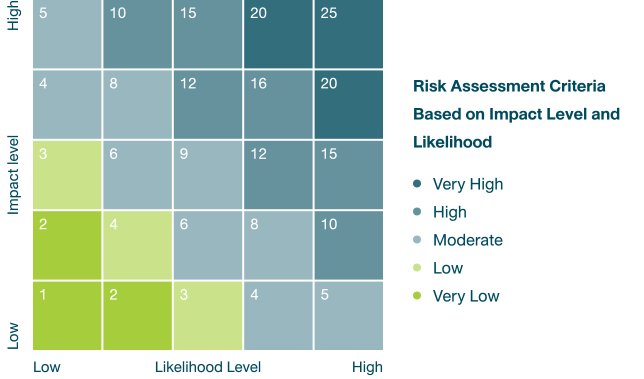
The Company conducts human rights risk assessments by applying criteria based on Likelihood and Impact Level in order to prioritize and manage human rights risks effectively.
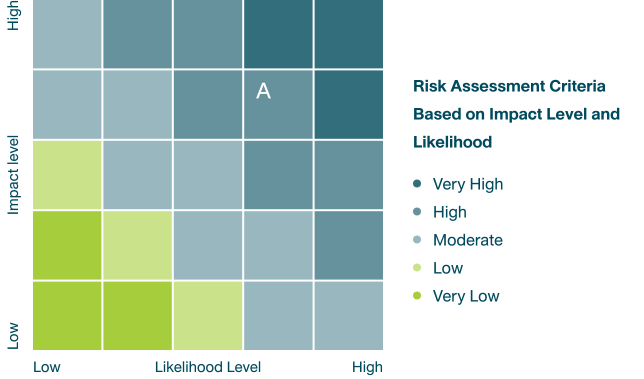
In 2025, the Company prioritized human rights risks based on the assessment of impact and likelihood. The results indicated that one issue remains at a high-risk level, namely : A. Employee Health and Occupational Safety (4 × 4)
3.3 Risk Ranking
| Risk Issue |
|
| Related Issues |
|
| Impact Mitigation and Remedial Measures |
|
4. Tracking and Reporting Performance
The Company monitors and evaluates its human rights performance, and continuously communicates and provides training to employees to ensure awareness of human rights principles. This is to prevent risks of adverse human rights impacts arising from the Company’s activities and business relationships on a regular basis. The operating results for 2025 are as follows:
- 100% of the Company’s operations and business activities were assessed for human rights risks and impacts.
- 100% of operations and business activities identified as having high human rights risks had mitigation measures and remediation processes in place.
- In 2025, there were no cases or incidents of human rights violations, including those related to anti-human trafficking, forced labor, child labor, discrimination, harassment or sexual abuse in all forms, freedom of association, the right to collective bargaining, equal remuneration, and other human rights issues.
In addition, the Company reports its human rights performance annually through its Sustainability Report and/or the Company’s website. The Company also provides channels for all stakeholders to raise concerns or report human rights violations through the channels specified below.
By mail
Attention: Human Resources Department
Rhombho Property Public Company Limited
444-444/1 Pracha Uthit Road, Huai Khwang Subdistrict, Huai Khwang District, Bangkok 10310, ThailandBy E-mail
E-mail: hr@rhombho.co.th5. Remediation and Remedy
The Company recognizes that its business activities may cause, contribute to, or be linked to human rights violations affecting relevant stakeholders. Therefore, the Company is committed to minimizing such risks and potential violations in line with its obligations. It conducts an annual human rights risk assessment to identify situations involving human rights violations in its business activities and to establish appropriate mitigation measures. The objective is to remedy and reduce the likelihood of human rights violations that may arise from the Company’s operations. In the event of a human rights violation, the Company implements a fair investigation process and enforces disciplinary measures as appropriate, including verbal or written warnings, suspension from work, reduction or suspension of annual bonuses, termination of employment, or dismissal. In addition to establishing appropriate, clear, and transparent complaint-handling measures, the Company ensures the protection of whistleblowers and complainants, as well as the confidentiality of their information. Furthermore, if a human rights violation occurs, the Company is committed to providing fair and appropriate remediation to affected parties. Remedies may include financial compensation, damages, assistance payments, or replacement of damaged property. Non-monetary remedies may also be provided, such as counseling and advisory support.

Communication to educate employees about anti-corruption
The Company continuously provides training and education to employees on anti-corruption to ensure they understand the anti-corruption measures and the penalties for violations of such measures. Training programs include, for example, an anti-corruption course as part of the orientation program for new employees, which is conducted for all newly hired staff, and training on the Company’s Anti-Corruption Policy, which is provided to all employees to communicate the policy and practical guidelines for implementation. In addition, the Company communicates its anti-corruption policy and related measures through internal communication channels, including the Company’s website, intranet, email, and the Company’s LINE group. All directors, executives, and employees are required to formally acknowledge the Anti-Corruption Policy.
In 2025, 100% of directors, executives, and employees acknowledged the Company’s Anti-Corruption Policy.
Corruption risk assessment
The company conducts a comprehensive corruption risk assessment across all processes within its value chain, following the organization's risk assessment procedures. This analysis identifies processes within the company that may present a risk of corruption. Based on the assessment, the company establishes control measures to prevent these risks and develops action plans to manage the risks at an acceptable level.
Corruption risk assessment process
1. Setting objectives
The company defines the objectives of tasks or processes that may pose a corruption risk in order to assess the potential risks. It also identifies the individuals involved in the risk assessment process to ensure that corruption risks are properly managed. This approach ensures that the risk management process is comprehensive and that all relevant stakeholders are engaged in addressing and mitigating potential corruption risks effectively.
2. Risk identification
The company identifies risk factors that may prevent the achievement of objectives by specifying the sources of the risks and the causes that lead to them. This process involves using a risk database to assist in identifying and understanding the risks. By analyzing these factors, the company can take proactive measures to mitigate risks and ensure the achievement of its goals.
3. Risk analysis
The company analyzes how the identified risk factors impact both positively and negatively, considering the likelihood of occurrence and the potential consequences. This analysis helps to assess the overall effect of the risks, allowing the company to develop appropriate strategies to leverage positive outcomes while mitigating negative impacts. The goal is to manage risks effectively, ensuring that any potential adverse effects are minimized, and opportunities are maximized.
4. Risk measurement
The company uses the opportunities and impacts identified from the risk analysis to assess the severity level of each risk factor. This helps prioritize the response strategies and monitoring of risks. By evaluating the severity and likelihood of each risk, the company can determine which risks require immediate attention and resources, ensuring that risk management efforts are focused on the most critical issues while maintaining continuous monitoring to track progress and adjustments.
5. Preparation of risk management plan
The responsible parties involved in the anti-corruption policy review the effectiveness of the internal control measures that have been implemented. If it is determined that these measures are insufficient, additional risk management measures must be developed and put in place. This ensures that the company continuously strengthens its controls and adapts to new or evolving risks, maintaining effective prevention of corruption.
6. Monitoring and reviewing risks
After implementing the measures outlined in the anti-corruption risk management plan, progress reports must be submitted, detailing the results of the risk management efforts. These reports should include any issues, obstacles, and changes in the level of risk encountered during the process. This ensures transparency, allows for adjustments to be made when necessary, and helps track the effectiveness of the actions taken in mitigating corruption risks.
Corruption risk assessment process
Risk
The Company’s business operations involve engagement with multiple entities in both the public and private sectors, including procurement and vendor management, permit and construction plan approvals, asset management, and title transfer processes. These activities may give rise to potential undue benefits, whether in the form of offering or receiving gifts or other benefits, solicitation of benefits, entertainment and hospitality, giving or accepting bribes, facilitation payments, or monetary payments of any kind.
Risk management
The Company has established a Corporate Governance Policy, which includes an Anti-Corruption Policy. This forms part of the Company’s governance framework and is made accessible to employees, business partners, shareholders, and stakeholders.
The Company provides complaint and whistleblowing channels to enable employees or related parties to report inappropriate conduct, including corruption and bribery.
The Audit Committee oversees compliance with anti-corruption and anti-bribery measures in accordance with the adequacy of the internal control system and monitors the handling of any cases of corruption or bribery that may arise.
In 2025, the Group conducted a corruption risk assessment in accordance with its risk management process. The assessment concluded that the level of corruption risk was low, which is considered acceptable. The Company has also implemented adequate risk control measures to manage such risks appropriately.
Whistleblowing
The company provides guidelines for reporting whistleblower complaints or violations of the code of ethics (Whistleblower) or illegal actions, as well as behaviors that may indicate fraud or misconduct by individuals within the company, in accordance with the whistleblowing policy for reporting violations.
Channels for receiving complaints and clues about wrongdoing and corruption

A sealed letter sent directly to the complainant, namely the Chairman of the Board.
Dear Chairman
Rhompho Property Public Company Limited
444-444/1 Pracha Uthit Road, Huai Khwang Subdistrict, Huai Khwang District, Bangkok 10310
Notification via E-Mail Address
Can be sent to the recipient of the complaint as follows:
Chairman
CG@rhombho.co.thComplaint handling process
- The complainant should provide clear and sufficient facts or evidence indicating reasonable grounds to believe that there has been a violation of laws, regulations, Company rules, or the Company’s Code of Conduct. All complaints will be treated with the strictest confidentiality. Complainants may submit complaints through more than one channel.
- Upon receiving a tip-off or complaint, the Company Secretary will collect the relevant information and submit it to the Audit Committee on a monthly basis, or immediately in urgent cases. If an Audit Committee meeting is already scheduled within the same month, the matter will be added to the agenda; otherwise, a separate meeting will be convened.
- The Audit Committee is responsible for reviewing, examining, and investigating the reported issues, and for determining appropriate measures and/or passing resolutions to implement corrective actions as deemed appropriate.
- In cases where the complaint concerns the Chief Executive Officer, the Head of Internal Audit shall submit the matter to the Audit Committee for consideration, fact-finding, and resolution. For complaints not involving the Chief Executive Officer, the Chief Executive Officer shall consider and determine the appropriate course of action.
- Thereafter, the Audit Committee shall inform the Company Secretary and the Executive Committee to proceed in accordance with the Audit Committee’s resolution. The results shall be reported to the Audit Committee and, where disclosure is permitted, to the whistleblower/complainant. The Audit Committee shall also report the outcome to the Board of Directors.
- Complaints made in bad faith: If any whistleblower or complainant provides statements or information that can be proven to have been made dishonestly, and such person is an employee of the Company, disciplinary action will be taken. If the person is an external party and such action causes damage to the Company, the Company will consider taking legal action against that person.
Fact-finding investigation
- The Audit Committee may consider expanding the scope of the review or conducting further investigation if the information is insufficient, or submitting the matter to the Board of Directors in cases involving senior executives.
- If the fact-finding investigation determines that the information and evidence are credible and indicate that the accused has committed corruption, the Company will formally notify the accused of the allegations and provide an opportunity to respond and present a defense.
- If the accused is found to have committed corruption, such conduct shall be deemed a violation of the Company’s Anti-Corruption Policy and Code of Business Conduct. Disciplinary action will be imposed in accordance with the Company’s regulations. If the misconduct also constitutes a violation of law, the offender may be subject to legal penalties. The decision of the Audit Committee regarding disciplinary action under the Company’s regulations shall be final.
Whistleblower and complainant protection measures
- The Company shall keep the information and identities of the complainant, whistleblower, and the accused strictly confidential.
- The Company will disclose information only to the extent necessary, taking into account the safety and potential impact on the reporting source and related persons.
- Any person who suffers damage will be provided with appropriate and fair remedies through due process.
- If a complainant, whistleblower, or person cooperating in a fact-finding investigation believes that they may be at risk of harm or unfair treatment, they may request the Company to implement appropriate protection measures. The Company may also proactively establish protective measures without a request if it considers that there is a potential risk of harm or unfair treatment.
- The Company shall not take any unfair action against a complainant, whistleblower, or person cooperating in the investigation, including changes in position, job description, or workplace; suspension; threats; interference with work performance; termination of employment; or any other act deemed unfair treatment.
- If any person is found to have harassed, retaliated against, or treated a whistleblower or complainant unfairly, the Company will impose strict disciplinary action against such person.
In 2025, the Company received no whistleblowing reports or complaints related to corruption and bribery, and there were no legal disputes concerning whistleblowing, corruption, or bribery.
Treatment of stakeholders
Employees and workers
Personnel are considered the most important resource in running a business and driving the business to continuous growth. The company therefore has a human resource management system in order to strengthen and develop a good working atmosphere give importance to developing employees to be both good and talented people. This is an important component to drive the organization towards its goals and be a sustainable organization.
Employees
The company has a policy of hiring employees based on qualifications that are suitable for the organization and the position, without discrimination based on any differences or similarities in individual diversity, such as age, gender, race, skin color, religion, physical ability, social status, educational background, etc.
In 2025, the Company hired a total of 193 employees, comprising 85 males and 108 females. Among them, 12 were foreign nationals, consisting of 7 Russians, 1 Chinese, 3 Filipinos, and 1 Ukrainian. The Company also employed 2 persons with disabilities in compliance with the Empowerment of Persons with Disabilities Act B.E. 2550 (2007), representing 1.04% of total new hires. The workforce diversity is reflected across various dimensions as follows:

Total number of employees

The Number of Employee Resignation
Employee development
The company places great importance on the continuous development of employees' knowledge, skills, and potential at all levels to align with their job positions, in order to meet business needs and prepare for business expansion. Therefore, the company is committed to developing personnel across all professional fields at every level by integrating skill, knowledge, and ability development, alongside fostering organizational culture and ethics. This approach ensures alignment with the strategies and business operations of the group.
In 2025, the Company did not establish a minimum training requirement; however, it actively promoted employee training through various programs, as follows:
| 1. e-Withholding Taxz | 8. Fundamental Knowledge of AI |
| 2. Key Updates on Taxation Issues | 9. Company Secretary Professional Development Program 2025 |
| 3. Special Seminar: “In-Depth Analysis of Foreign Real Estate Market Trends” | 10. Marketing Oops! Summit 2025 |
| 4. International Real Estate Marketi | 11. Practical Guidelines on TAS 12: Income Taxes |
| 5. Revenue and Expense Recognition in Accordance with Accounting Standards | 12. Revenue and Expense Recognition in Accordance with Accounting Standards |
| 6. Tourism Management | 13. Accounting Practices between PAEs and NPAEs |
| 7. Master of Management Program in Integrated Tourism and Hospitality Management | 14. In-house Training: Basic Firefighting |
The primary objective is to promote and enhance employees’ knowledge, experience, skills, and professional competencies (upskilling and reskilling), as well as to cultivate awareness and new mindsets essential for today’s working environment across all levels of personnel. This is to ensure alignment with and support for the Company’s business operations and strategic direction, while also fostering career development and growth opportunities. These efforts aim to strengthen employee engagement, which positively impacts dedication and attentiveness at work, ultimately contributing to the achievement of the Company’s shared goals. Key practices include the following:
Orientation training for new employees
All new employees joining the Company are required to attend an orientation program prior to commencing work. This ensures that new employees gain an understanding of the Company’s fundamental information, such as its organizational structure, rules and regulations, key policies, products and services, and overall business operations. The program also introduces various departments within the Company to facilitate effective coordination and communication in the future.
In 2025, the Company organized a total of 14 training programs for employees, as follows:

Trained employees

Number of the training hours

Average number of training hours (hour/person/year)
Compensation and benefits
The Company gives importance to compensation in the form of salary. The salary structure is determined to be suitable for the labor market in the same type of business. The group of companies will consider salary based on the employee’s potential, responsibilities, knowledge, and abilities in each job position. In addition, the group of companies has set up a consideration of increasing the annual salary rate and bonus for employees based on their annual performance and the Company’s operating result by setting up a clear evaluation system and performance indicator for new employees to ensure fairness to all of them. Moreover, the Company has provided appropriate and fair welfare for all employees at all levels to support them both short and long-term as follows:
It will be given to employees at all levels. Employee will receive rights and benefits according to the insurance policy as determined by company for each job position.
Employees may voluntarily enroll in the company's provident fund after passing the probationary period.
To promote good health, employees who have worked for more than 1 year are able to receive health check-up services as company provided every year.
The Company group provides uniform to employees every year considering uniforms that are suitable for work.
The Company will provide financial assistance to express condolence to the loss of employee’s family.
Employees who are hospitalized or those who give birth will receive a visit and gifts from the company.
Employees who have worked continuously for 1 year are entitled 5 days to leave for their wedding ceremony without loss of wage.
Employees can take leave for cremation of their father, mother, husband, wife, and legitimate children for 5 days without loss of wage.
Male employees whose wives give birth are entitled to 15 days of paternity leave. The leave must be taken within 120 days from the date of the wife’s childbirth, and it can be taken either continuously or intermittently.
The company grants an additional holiday to employees on their birthday, which can be taken within the employee's birth month.
The company organizes an annual party to build relationship between employees and allow them to relax from work.
The company provides a scholarship for employees' children, paid twice a year, with an amount of 5,000 baht per child per payment. Each employee is eligible for up to two children.
In addition, the company has established a welfare committee, elected by the employees. The welfare committee serves as a representative of the employees, providing feedback on welfare policies and the overall well-being of employees within the company.
Provident fund
The company has established a provident fund for employees to promote savings, provide security for employees and their families, and offer tax benefits to employees. Participation in the fund is voluntary, with employees choosing to become members.
The Provident Fund Participation
Rhombho Property Public Company Limited
Number of Participating employees
Participated employee’s ratio
The Esquire Company Limited
Number of Participating employees
Participated employee’s ratio
Employee Joint Investment Program (EJIP)
The Company aims to encourage employees to participate in ownership of the Company and foster organizational loyalty, as well as to promote savings and investment among employees in various forms.
Accordingly, the Company has launched the first Employee Joint Investment Program (EJIP) for the Company and its subsidiaries, with a project period of three years, from 1 January 2025 to 31 December 2027. Permanent employees of the Company and its subsidiaries may voluntarily enroll in the program.
Number of employees participating in the Employee Joint Investment Program (EJIP)
Rhombho Property Public Company Limited
Number of Participating employees
Participated employee’s ratio
The Esquire Company Limited
Number of Participating employees
Participated employee’s ratio
The Company places great importance on and respects employees’ privacy. Personal data will not be disclosed to external parties or unrelated persons, except where disclosure is required by law. The Company also ensures effective internal communication with employees regarding corporate news and internal activities through various accessible channels for important information, such as the Intranet system, the HR Online system, and individual corporate email accounts provided to all employees. Important announcements and employee benefits are communicated directly to employees. Information is also available on the Company’s website (www.thetitleresidence.com), among others. In addition, the Company provides opportunities for employees to express their opinions and welcomes feedback and suggestions in order to continuously improve employees’ quality of work life.

The company has implemented measures to ensure safety, prevent accidents, and promote health and hygiene in the workplace for employees as follows:
In addition, the Company places importance on employees’ health and well-being, including maintaining a safe and appropriate working environment through various initiatives and activities undertaken in 2025, as follows:
- Providing health insurance and life insurance coverage for employees, including medical treatment for illnesses and diseases, as well as coverage in cases of bodily injury or loss of life.
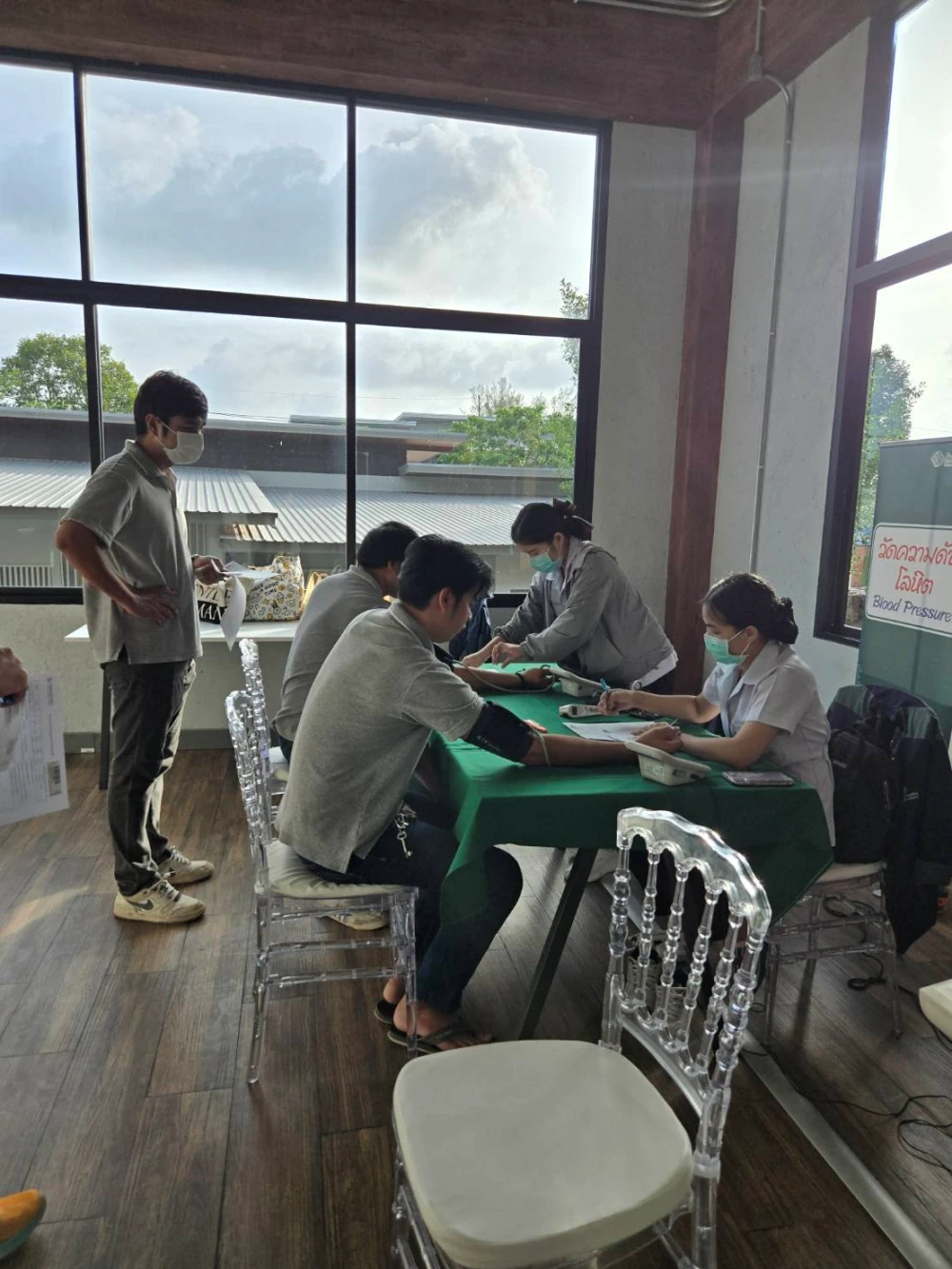
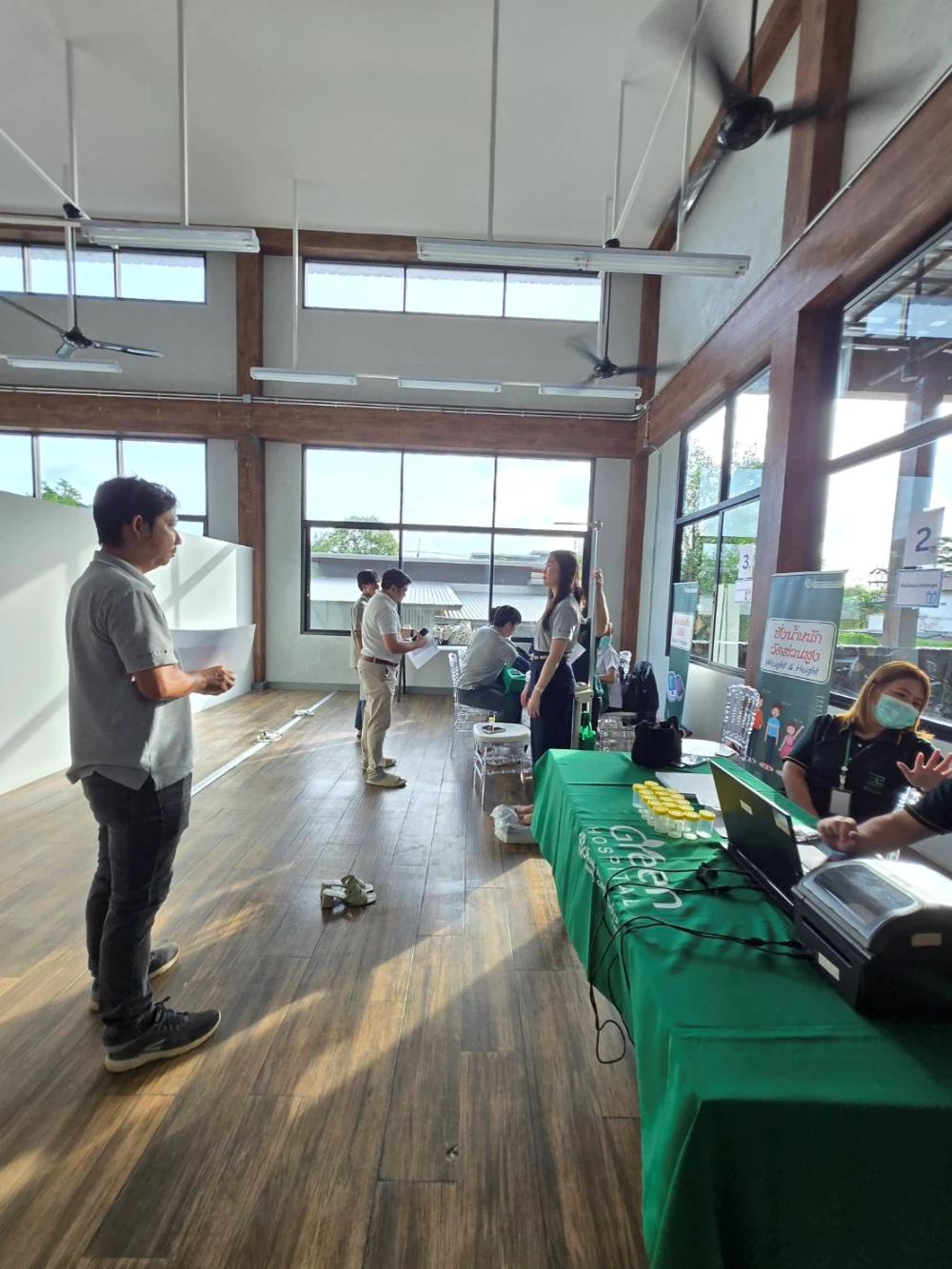
- Arranging annual health check-ups and influenza vaccinations for all employees to monitor and plan their healthcare, and to reduce the risk of illnesses in the future.
- The Company employs a significant number of Muslim employees at its Phuket branch. During the holy month of Ramadan, which is an important religious observance in Islam, the Company supported employees in breaking their fast (Iftar) by distributing dates. Dates are highly nutritious, help reduce fatigue after a full day of fasting, and are traditionally recommended according to Islamic principles. This initiative reflects the Company’s care and concern for the well-being of its employees.

- Establishing safety measures to prevent accidents and organizing occupational safety training programs to enhance employees’ knowledge, skills, and safe working practices in order to ensure the safety of life, health, and property, as follows:
-
Training courses for occupational safety officers
The company arranges for employees to attend training courses for occupational safety officers at different levels, including Supervisor-Level Occupational Safety Officers, Advanced Technical-Level Occupational Safety Officers, and Executive-Level Occupational Safety Officers.
-
Training courses on basic fire drills.
The Company organized a basic fire drill training program to provide employees with knowledge on workplace safety and to prepare them to respond effectively in the event of a fire at the workplace. The program also included practical training sessions to ensure that employees understand how to properly and safely carry out fire response procedures.
In 2025, the Group conducted a basic firefighting training course at its Phuket office, led by qualified instructors and trainers with expertise in providing safety training to employees.
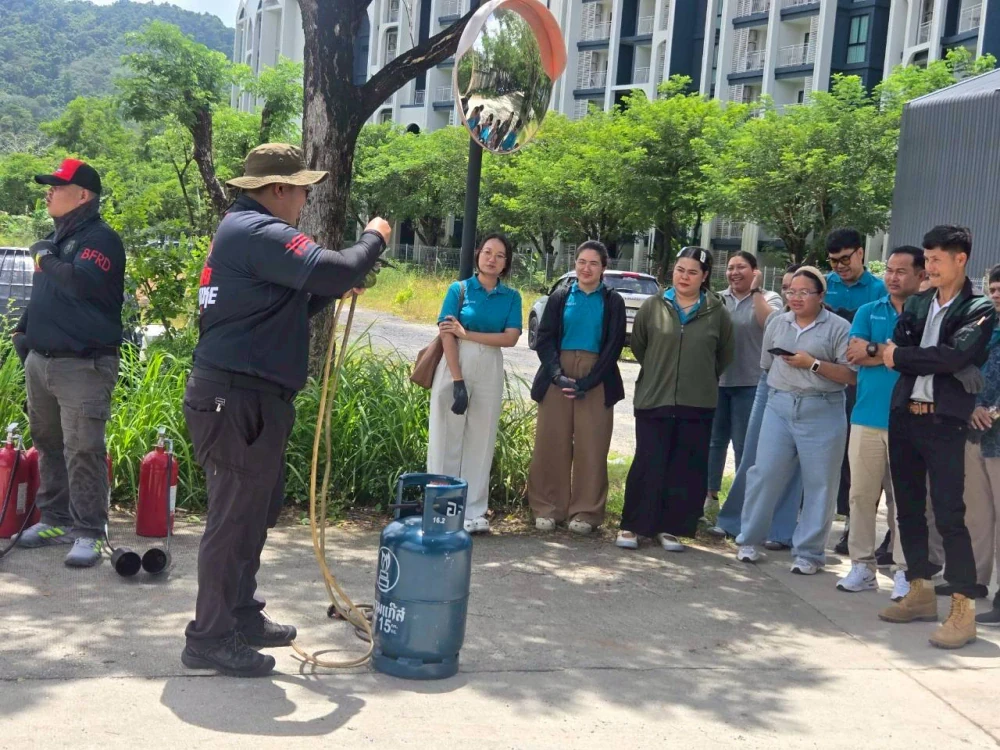
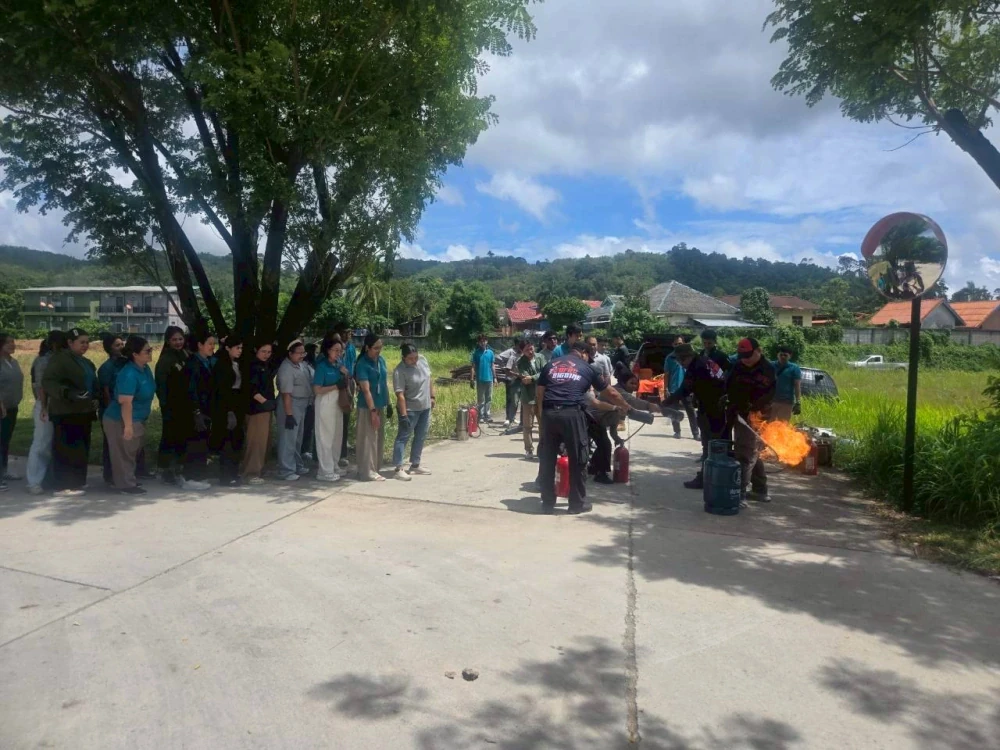

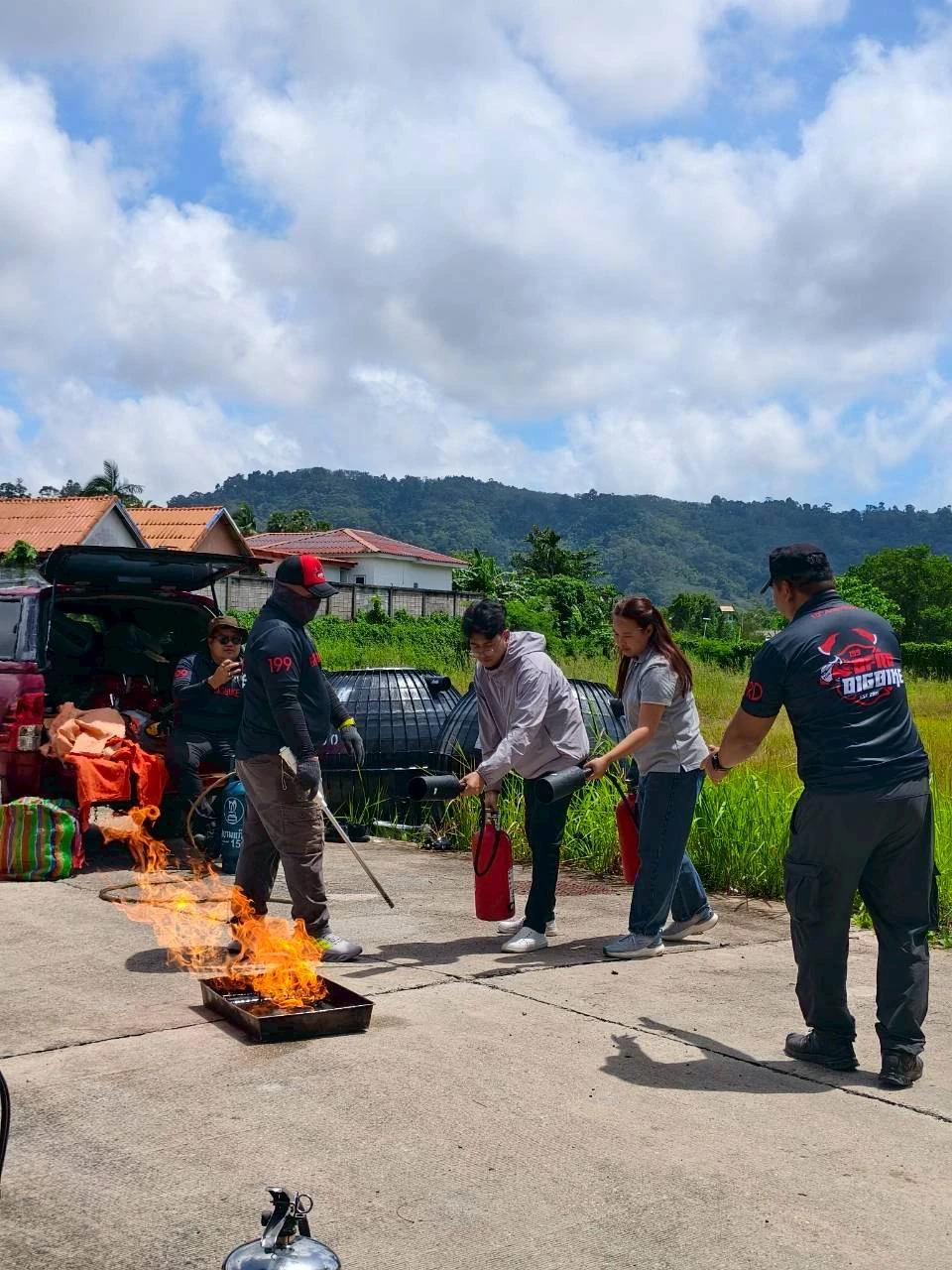
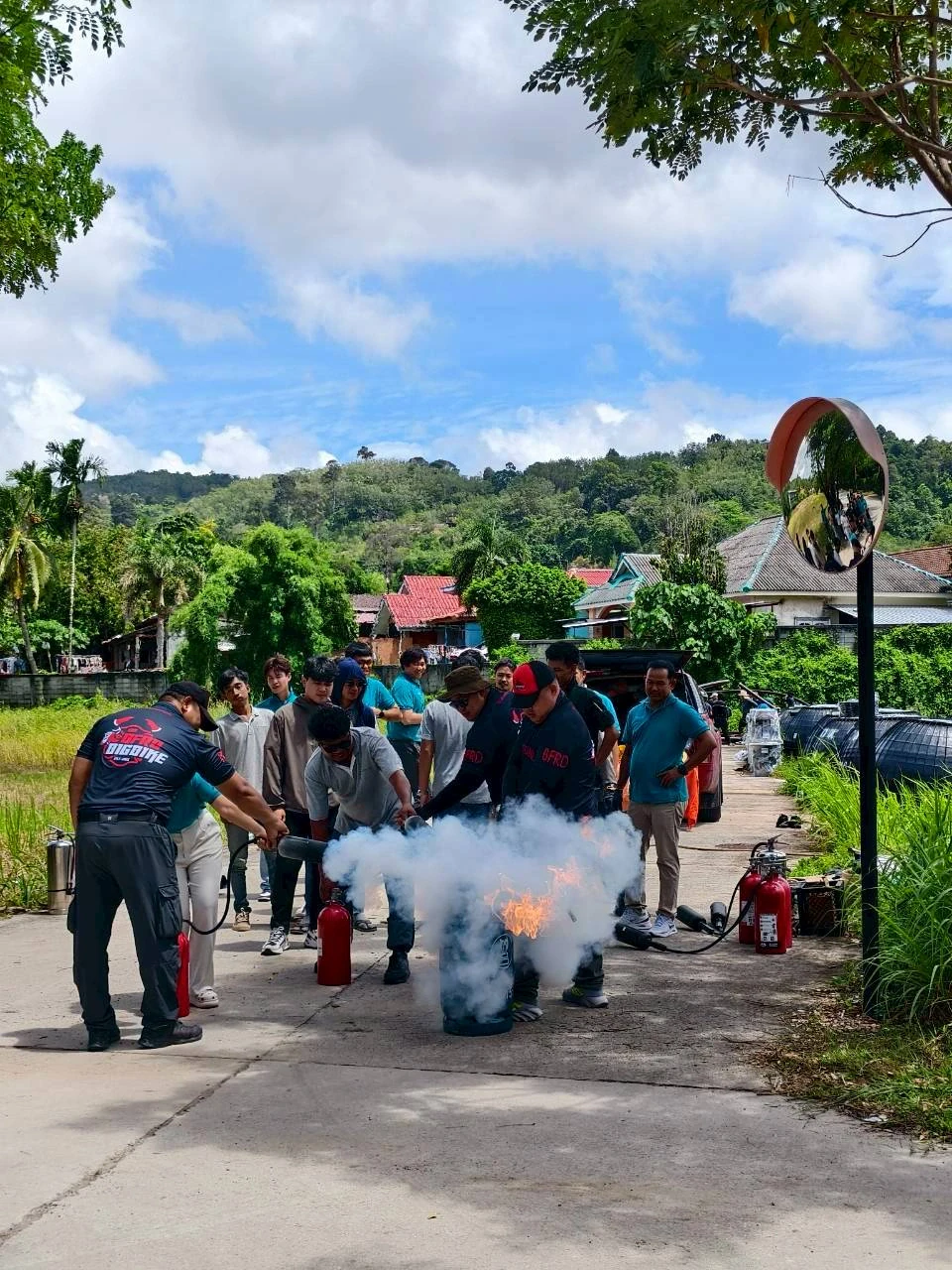
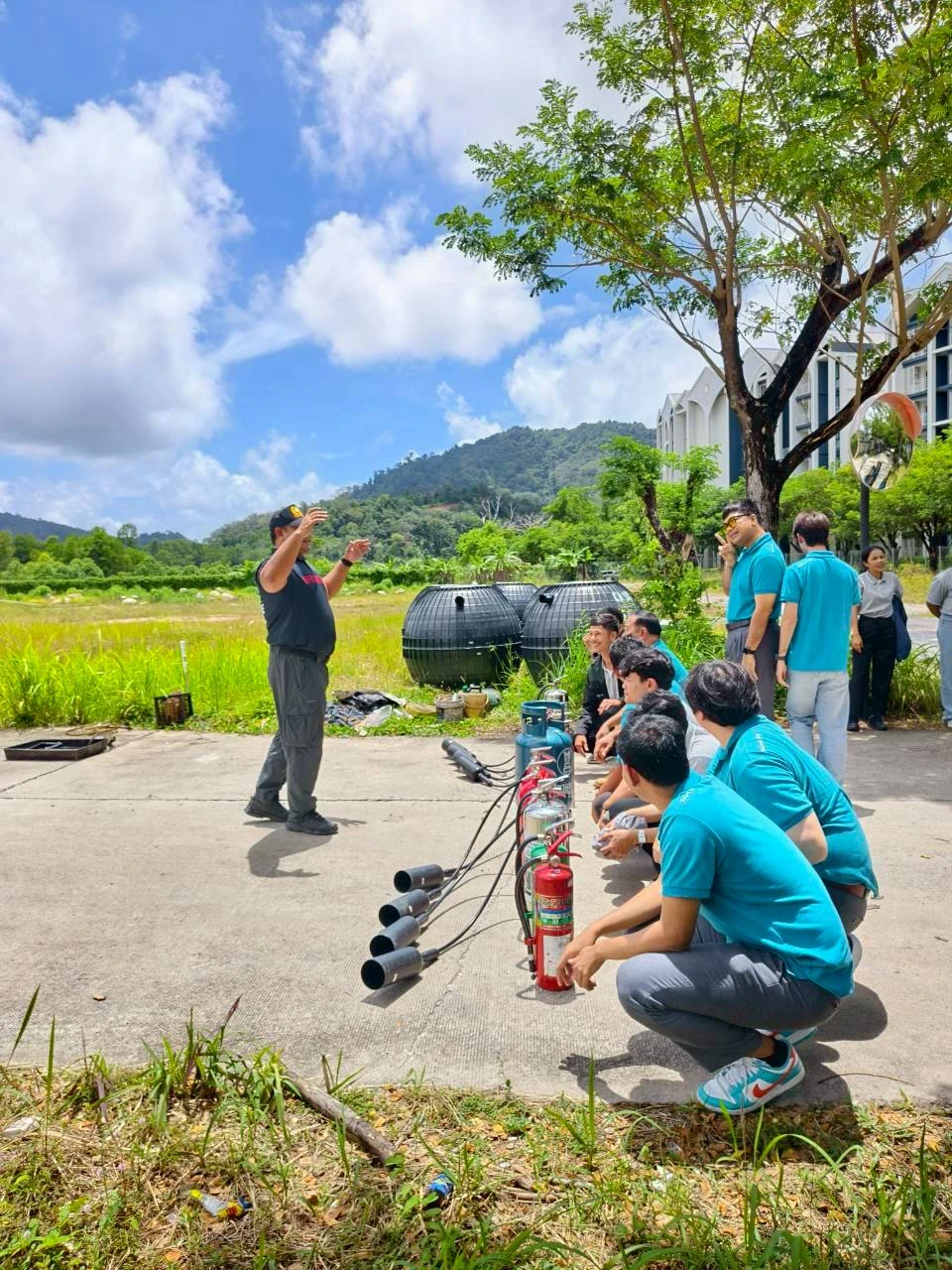
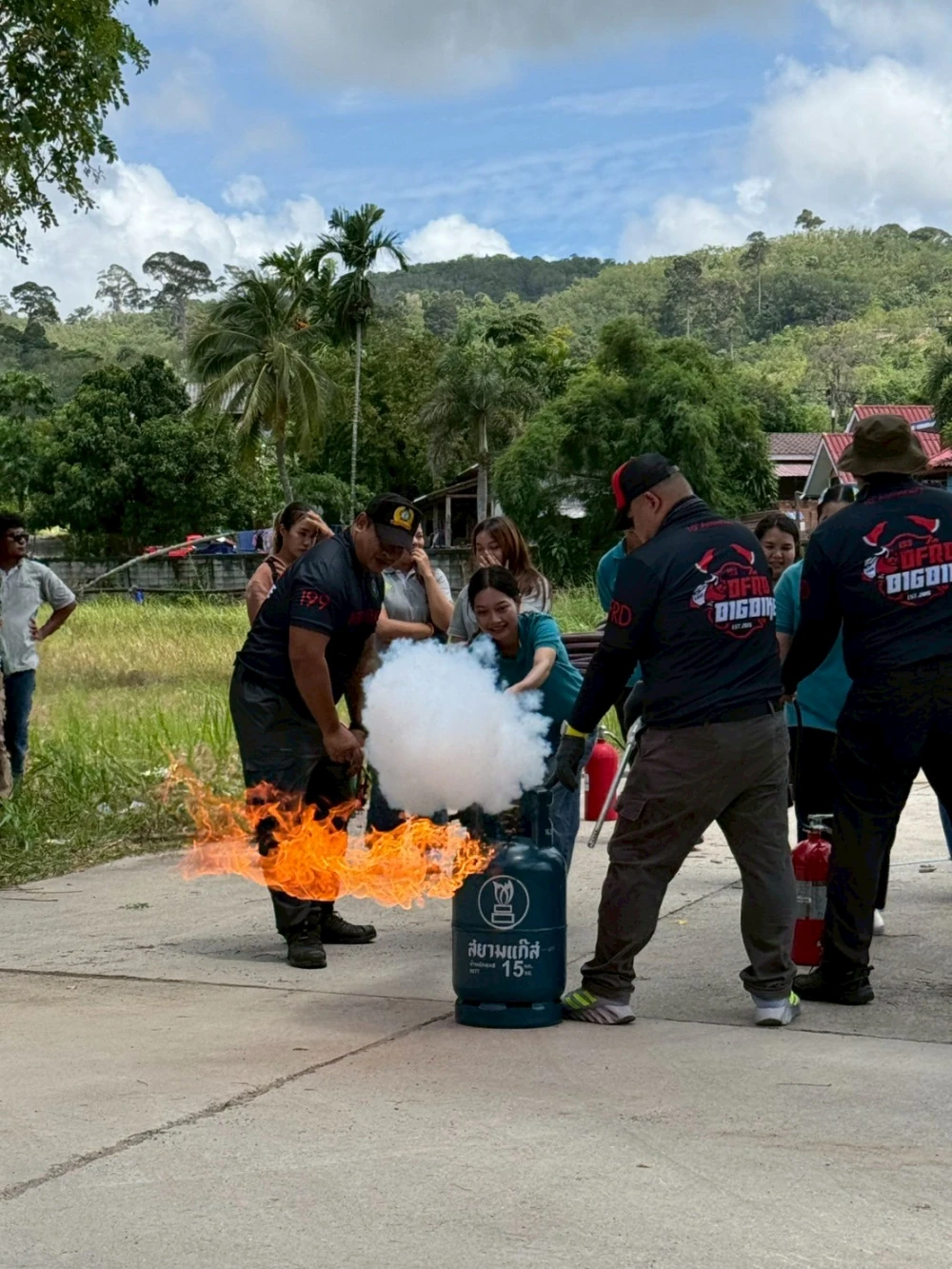
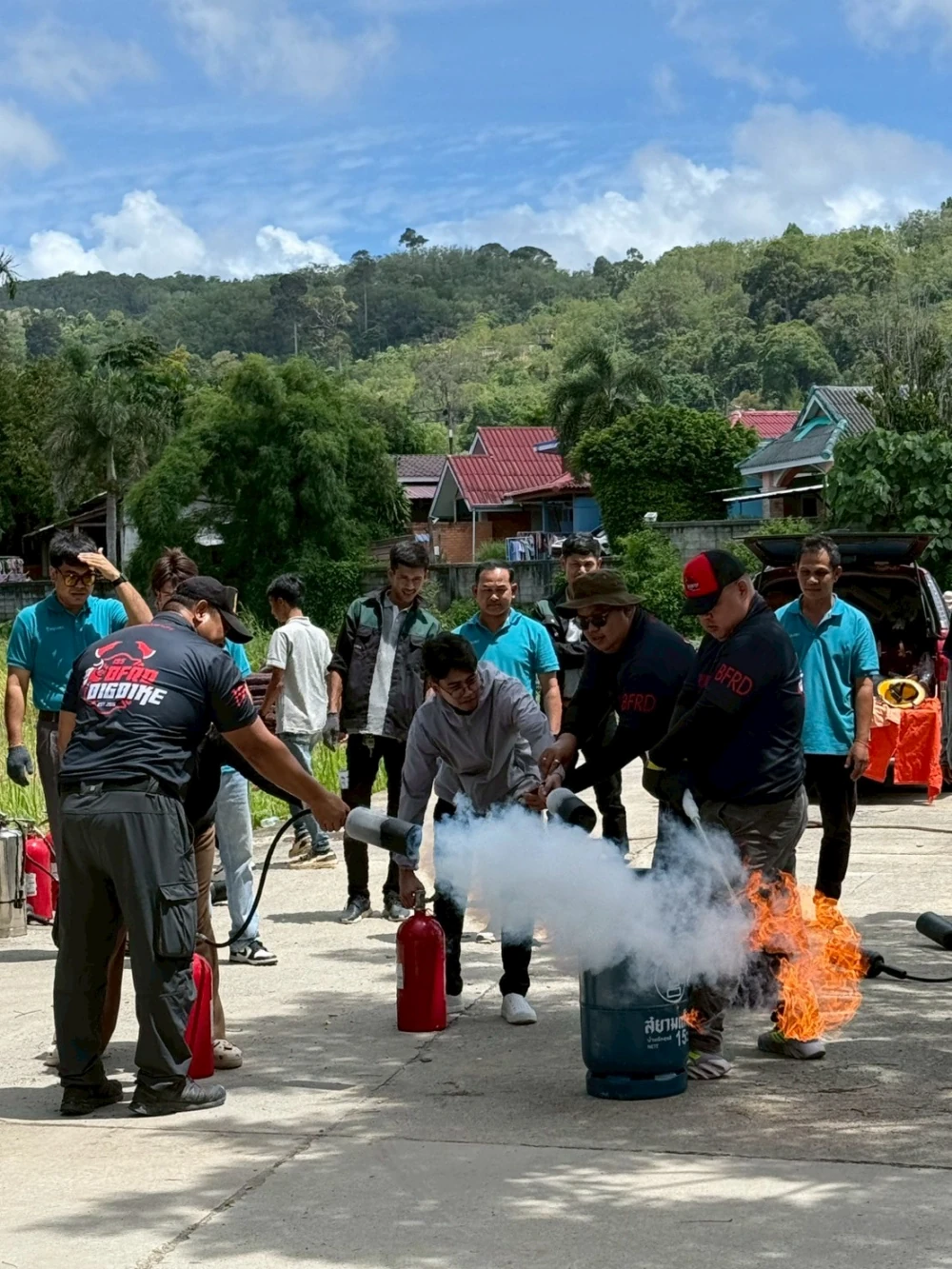
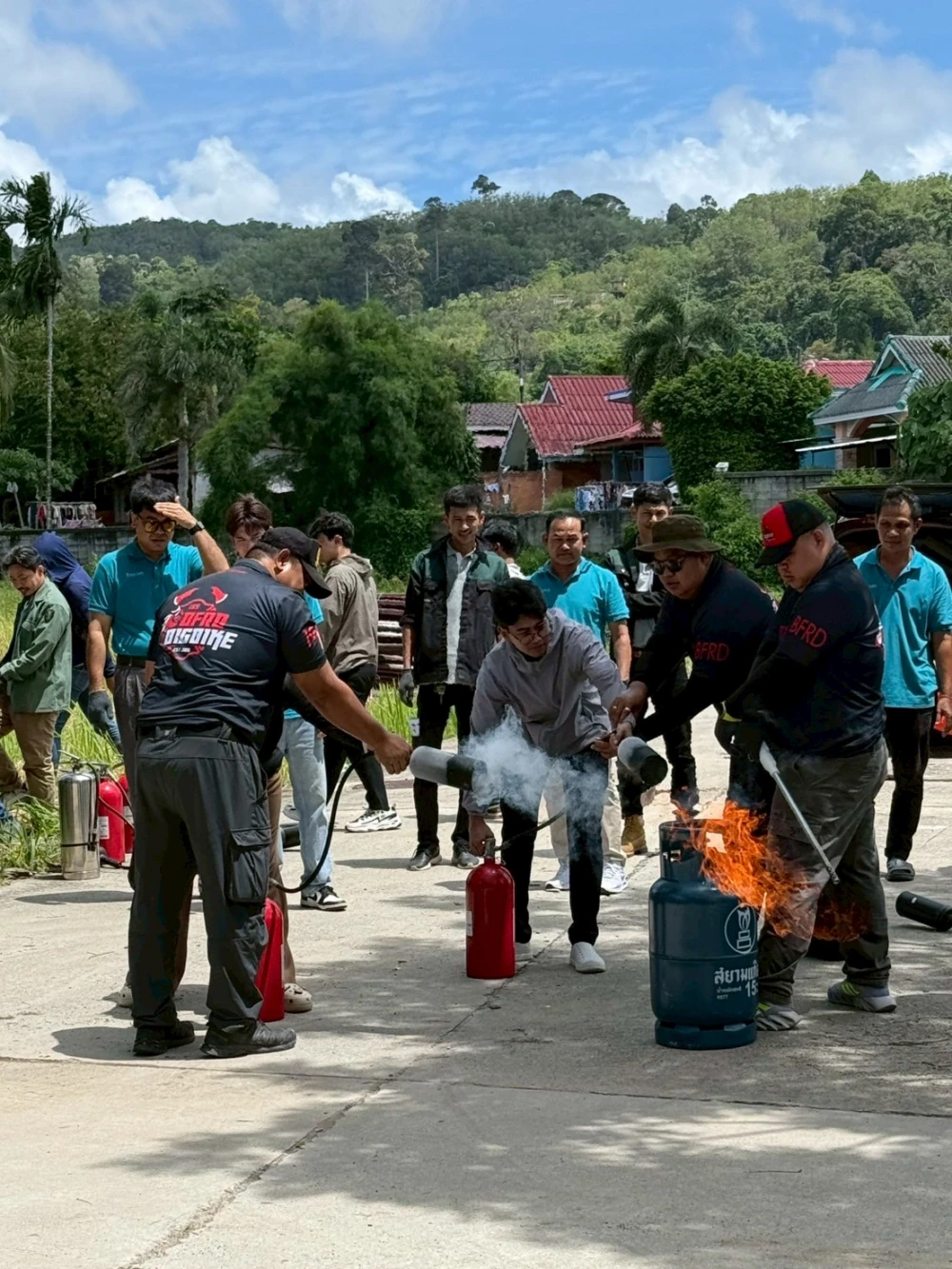

Construction Site Safety Practices
Construction projects may pose risks of accidents due to unsafe construction practices or a lack of caution during work. These risks can lead to accidents and injuries on the construction site. Therefore, the project must carefully select contractors with strong safety management systems and implement comprehensive measures to prevent various impacts. These measures should be enforced at the construction site to ensure close supervision and monitoring of construction workers' activities.
The following safety impact prevention measures have been established for the construction project site:
- Installing Metal Sheet fences around the construction project and putting up signs prohibiting unauthorized individuals from entering the construction site. Additionally, closely monitoring to prevent the placement of construction materials outside the project's fence.
- Inspecting the condition of machinery before putting them into operation to prevent accidents.
- Monitoring and supervising the use of electricity, and ensuring the availability of necessary firefighting equipment.
- Providing adequate lighting during nighttime in and around the construction site.
- Ensuring insurance coverage for liability as required by law.
Safety statistics for 2025
| Safety Information | Unit | Number of Employees |
|---|---|---|
| Accident rate | (time) | None |
| Rate of employee injured from work | (person) | None |
| Rate of day off due to work injury | (day) | None |
| Rate of employee’s absent from work injury | (person) | None |
| Number of deaths from work | (person) | None |
Employee engagement
Objective
To grow together with the Company, a structured approach to fostering employee engagement and retention has been established. In 2025, the Company conducted an annual Employee Engagement Survey in collaboration with an external consulting firm. The survey was designed based on the Employee Experience Model, which focuses on creating positive employee experiences that influence behaviors reflecting organizational engagement. Such behaviors contribute to driving business outcomes across multiple dimensions, including human resource management, internal operations, customer focus, and overall organizational performance. The Employee Engagement Survey covers the following areas:
To foster awareness and a strong commitment to enhancing employee engagement, the Company has established action plans to further strengthen employees’ engagement with the organization. The employee engagement score has been set as a corporate-level key performance indicator (KPI) and cascaded down to the executive level to ensure accountability and alignment throughout the organization.
| Key Performance Indicator (KPI) | Unit | Target |
|---|---|---|
| Employee engagement. | Percentage | 80 % |
Employee Engagement Survey Results
| Employee engagement | Unit | Year 2025 |
|---|---|---|
| Employees participating in the survey | Percentage | 83.69 % |
| Employee engagement score | Percentage | 84.81 % |
Responsibility to Customers and Consumers
The Company places the highest importance on customer satisfaction, including purchasers of its products and services, as well as end consumers who use the products and services developed by the Company. The Company is committed to delivering fair pricing, quality, and responsibility toward customers and consumers.
- The Company is committed to continuously developing comprehensive products and services that are efficient and of high quality in order to meet the needs of customers and consumers. The Company’s personnel are dedicated to fully responding to customer and consumer needs with reasonable pricing, timely delivery, quality standards, non-restriction of consumer rights, and fair conditions for consumers.
- The Company shall not engage in any deceptive practices or make exaggerated claims regarding the quality of its products and services.
- The Company is committed to enhancing the safety of its products and services, recognizing that consumer safety is of paramount importance. Warning signage is provided, safety inspections are conducted at operational sites, and employees are continuously trained and strictly monitored on consumer safety practices.
The Company is dedicated to developing real estate projects in line with its vision: “To create residential developments that grow alongside tourism, nature, and the environment.” To meet customer needs and satisfaction, the Company emphasizes quality at every stage, beginning with construction standards, selecting high-quality and standardized materials. As the Company’s products are residential properties an essential factor in daily life they must be of high quality, cost-effective, and provide maximum safety.
The Company remains committed to developing its products and services to achieve customer satisfaction and to treating customers with responsibility and integrity, as follows:
- The Company prioritizes quality and standards in its products and services to ensure that customers receive high-quality offerings at reasonable prices.
- The Company maintains the confidentiality of customer information and will not misuse such information.
- The Company places importance on ongoing customer care to maintain long-term relationships with existing customers and to build confidence among new customers.
Product and Service Development
Rhombho Property Public Company Limited (“the Company”) is a real estate developer for sale, focusing primarily on condominium projects in high-potential locations. The Company emphasizes distinctive project design, high construction quality, and project environments that are lush and resort-like, creating a relaxing atmosphere comparable to a hotel or resort. Its objective is to deliver value and lasting impressions to customers, meeting the needs of both Thai and international target groups.
The Company develops its core products and services in the form of high-quality residential projects under the brand THE TITLE, with a focus on the following key aspects:
- Distinctive Project Design: Modern architectural styles, efficient space utilization, and integration with the surrounding natural or local context.
- High Construction Quality: Adherence to recognized construction standards and the use of quality materials to ensure building durability.
- Project Environment: Emphasis on greenery, tranquility, and a relaxing resort-style atmosphere.
- After-Sales Services: Comprehensive post-transfer services, including maintenance and customer support, as well as rental assistance and property management services to enhance asset value and meet the needs of investors.
Development of Health and Safety-Oriented Products
Rhombho Property Public Company Limited recognizes the importance of responsible real estate development and places strong emphasis on creating residential projects that prioritize health and safety. The Company focuses on safe and efficient space utilization, as well as the appropriate allocation of common and shared areas to suit residents’ needs. These efforts contribute to enhancing residents’ quality of life and overall well-being. Projects are designed and constructed in strict compliance with building safety standards, as well as applicable laws and regulations. The Company also establishes safety standards and promotes healthy living for customers by providing accurate and transparent information to ensure that its products and services are of high quality, safe, non-hazardous to health, and reliable. In 2025, following an earthquake incident, the Company arranged for a team of engineers to inspect the structural integrity of its buildings to ensure that construction remained safe and in compliance with proper engineering standards, directly reinforcing residents’ safety and confidence. The Company also maintains a comprehensive after-sales and post-transfer service system, including repair request handling, maintenance services, and complaint response mechanisms, to ensure long-term residential safety and satisfaction. In addition, the Company selects environmentally friendly materials and products, which not only reduce environmental impact but also promote residents’ health. Examples include increasing green spaces, using materials that help reduce pollution, and supporting overall environmental sustainability—all of which contribute positively to residents’ well-being.
Innovation Development
Residential and Service Innovation for Sustainability
Rhombho Property Public Company Limited recognizes the importance of continuously developing its products and services. The Company has adopted new technologies and innovations in various residential formats to maximize long-term value, while also enhancing service quality through digital platforms. This reflects the Company’s real estate development approach, which focuses on design solutions that meet modern living needs and create new lifestyle experiences for customers.
Certain projects incorporate innovative elements such as nature-integrated design, efficient space utilization, and curated lifestyle experiences. Notably, some projects achieved up to 50% sales within the first week of launch, demonstrating strong market demand. Key examples include:
- The Modeva (Bang Tao): A leisure residence project designed to support practical living for both Thai and international residents, emphasizing expansive common areas and convenience-oriented facilities.
- Villa Estella and Villa Kirara (Pool Villa Projects): An expansion into the luxury pool villa market in the Bang Tao–Cherng Talay area, featuring Modern Tropical design, comprehensive facilities, and seamless integration with nature. These projects offer a differentiated residential experience compared to conventional high-rise developments.
Although the Company may not explicitly label specific projects as “innovation projects,” many developments reflect innovative living concepts. These include environmentally conscious design, the integration of green spaces and resort-like environments to create relaxing and nature-oriented settings, and functional layouts tailored to the lifestyles of both Thai and international residents.
Furthermore, the Company emphasizes environmental responsibility and sustainable development. Many projects undergo Environmental Impact Assessment (EIA) processes, with environmental considerations integrated from the design stage through construction, reinforcing the Company’s commitment to sustainable real estate development.
Customer Relationship Management
Through its strong commitment and attention to detail in every process, the Company has consistently maintained high levels of customer satisfaction. To further enhance its performance, the Company conducts customer satisfaction surveys to evaluate its operations and gather customer feedback and suggestions. The insights obtained are used to continuously improve the Company’s products, services, and overall operational performance.
Customer Satisfaction Survey
Targets and Assessment Results
| Key Performance Indicator (KPI) | Unit | Target |
|---|---|---|
| Customer Satisfaction (Sales Agents) | Percentage | 80 % |
The Company conducted its annual customer satisfaction survey for 2025 using the Customer Satisfaction Index (CSI) questionnaire for Sales Agents. The survey results reflect customers’ satisfaction levels and are utilized to further develop and improve the Company’s services.
| Customer Satisfaction (Sales Agents) | Unit | Customer Satisfaction Results |
|---|---|---|
| Satisfaction with Products and Services (Sales Agent) | Percentage | 93.78 % |
In addition, the Company places great importance on after-sales services by closely monitoring and providing attentive care to customers. The Company also organizes relationship-building activities for customers and residents through various events, as follows:
Songkran Festival
A Songkran celebration was organized to allow residents to participate in and preserve the Thai New Year tradition. Activities included fun games, prize giveaways, and a designated water-play area in front of the project.



Loy Krathong Festival
A Loy Krathong event was arranged for residents to take part in festive activities together at the project’s common area.

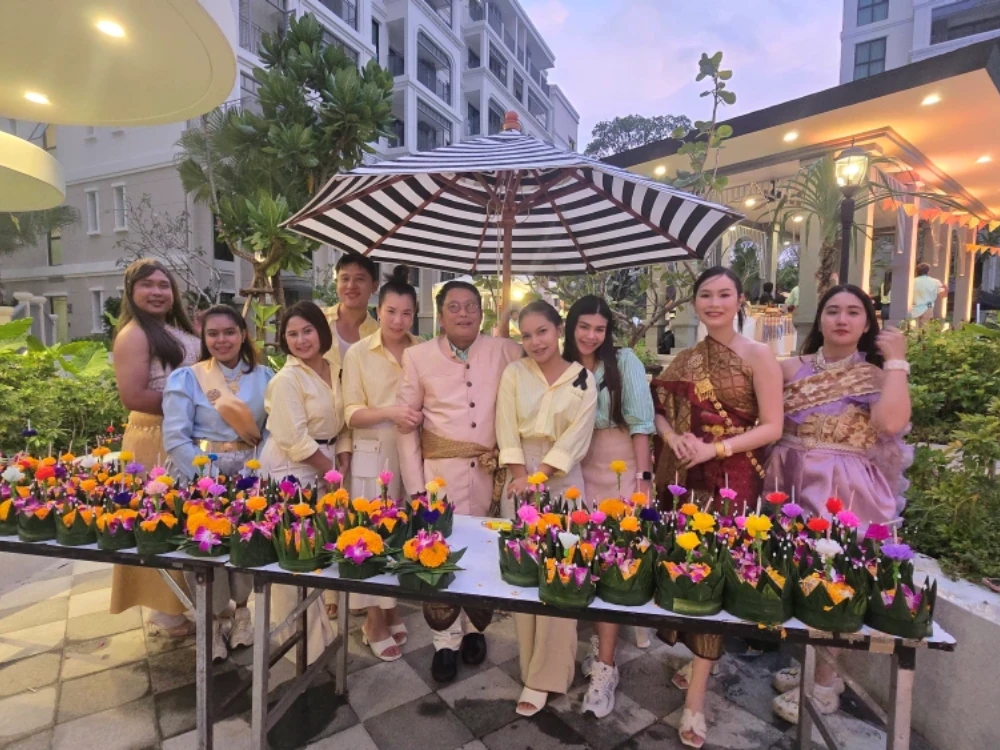

Christmas festival
A Christmas celebration was held, featuring games and prize giveaways for residents.



Channels for customer feedback, complaints, or suggestions
The company provides opportunities for customers to express their opinions, file complaints, or offer suggestions. The company analyzes the feedback and recommendations received in order to develop and improve products and services, with the goal of maximizing customer satisfaction.
Channels for providing feedback, filing complaints, or offering suggestions
- Call Center: 02-103-6444
- www.thetitleresidence.com
- E-mail: IR@rhombho.co.th
Treating business partners
The company recognizes the importance of business partners as key contributors to the success of its operations. The selection of partners is conducted fairly, and negotiations are made to establish contracts that ensure mutual benefits for both parties. The company adheres to principles of equality and fair competition with all partners. Additionally, the company emphasizes transparency and honesty in its business dealings. It ensures fair selection of partners, fosters mutual support in the work process, and aims to deliver high-quality products and services to customers. The company commits to treating partners in accordance with the terms of the contract and its business ethics.
Supplier Selection Practices and Supplier Relationship Management
The Company has established clear guidelines for supplier selection, taking into consideration suppliers’ capabilities to operate sustainably, their ability to deliver quality products in accordance with specified standards and timelines, and their compliance with labor laws and human rights principles. The Company also monitors and evaluates supplier performance to continuously enhance the quality of products and services in a sustainable manner.
In addition, the Company is committed to promoting and supporting the development of suppliers’ capabilities and business competencies. This includes collaboration in product and service development, fostering innovation for mutual benefit, and organizing training seminars to enhance suppliers’ operational knowledge. These initiatives aim to enable suppliers to conduct their businesses sustainably alongside the Company.
The Company adheres to fair trade principles by strictly honoring contractual agreements and commitments made to suppliers. Supplier selection is conducted fairly under the Company’s evaluation and selection criteria to prevent corruption and misconduct at every stage of the procurement process.
The Company emphasizes fair and transparent treatment of suppliers in accordance with good corporate governance principles. Clear policies and procedures for supplier selection and contract management have been established, covering work quality, pricing, safety, environmental considerations, and compliance with relevant laws. These practices are designed to build sustainable business partnerships throughout the supply chain.
Performance in 2025
- Suppliers were selected and engaged through a transparent, auditable procurement process based on fair competition principles.
- Supplier performance was regularly monitored and evaluated, considering quality of work, timeliness, and compliance with contractual terms.
- Suppliers were encouraged to comply with labor laws, occupational health and safety standards, and environmental regulations.
- There were no significant contractual disputes that materially impacted the Company’s business operations.
As a result, these efforts have strengthened trust between the Company and its suppliers, reduced operational risks, and supported stable and sustainable business growth.
Transparent, fair, and non-discriminatory procurement practices
The company focuses on transparent, fair, and non-discriminatory procurement practices, and has a clear approach for selecting appropriate and fair partners. The company ensures that partners compete on equal terms by providing them with the same information, and selects those with the potential to deliver high-quality products that meet standards, as well as those who can deliver goods and services on time, comply with labor laws, and respect human rights. The company also ensures the creation of fair and appropriate contracts with partners and monitors the adherence to contract terms to prevent any fraud throughout the procurement process. Furthermore, the company safeguards partner information and does not use it for any improper purposes.
Treating creditors
The company is committed to building trust with creditors by emphasizing integrity and strictly adhering to the terms, conditions, contracts, and financial obligations. This includes repaying loans and interest accurately, on time, and in full, and ensuring that borrowed funds are used for their intended purpose. In the event that the company cannot meet any of the agreed conditions, it will promptly notify the creditor to discuss and find a solution. Additionally, the company ensures that no information or facts that could harm the creditors are concealed.
Treating business competitors
The Company has established guidelines for dealing with competitors by promoting free and fair competition. It strictly avoids favoritism, collusion, or any anti-competitive behavior. The Company does not seek confidential information of competitors through improper means, such as bribing competitors’ employees, and refrains from damaging competitors’ reputations through false or malicious allegations.
In 2025, there were no litigation disputes between the Company and its subsidiaries and any competitors.
Community and Social Performance
The Company operates as part of society and recognizes its responsibility to contribute to community development and return value to society as a whole. The Company is committed to sustainable growth in alignment with social development. It regards community and social engagement as a core policy, focusing on social and community development, environmental stewardship, religious support, conservation of natural resources, educational support for youth, and public benefit activities for underprivileged communities to foster strong and self-reliant communities.
The Company places great importance on the safety of communities, society, the environment, and the quality of life of stakeholders affected by its operations. Accordingly, the Company has implemented the following action plans:
- Conduct field visits to engage with the community, gather feedback, and assess their needs.
- Participate in community development.
- Support projects and activities that benefit the community.
Details and guidelines for community and social practices are as follows:
Care for Communities Surrounding the Company’s Construction Projects
The Company recognizes the potential impacts on communities located adjacent to its construction projects. Prior to the development of every project, the Company strictly complies with the requirements set out in the Environmental Impact Assessment (EIA) Report. This process begins with assessing potential impacts on neighboring communities through surveys of community opinions and needs. The Company establishes preventive measures to mitigate potential impacts, defines remediation guidelines in case of any damage, and promotes initiatives to enhance the quality of life of surrounding communities.
In 2025, the Company received no community complaints regarding social or environmental issues arising from its construction activities.
Participation in Community and Social Development
In 2025, the Company actively participated in various public activities to support and develop communities and society, as follows:
National Children’s Day Activity
On the occasion of National Children’s Day, the Company donated bicycles to Srisunthorn Municipality and provided educational supplies to Wat Sawangarom School, Rawai to support youth development and promote educational opportunities within the community.
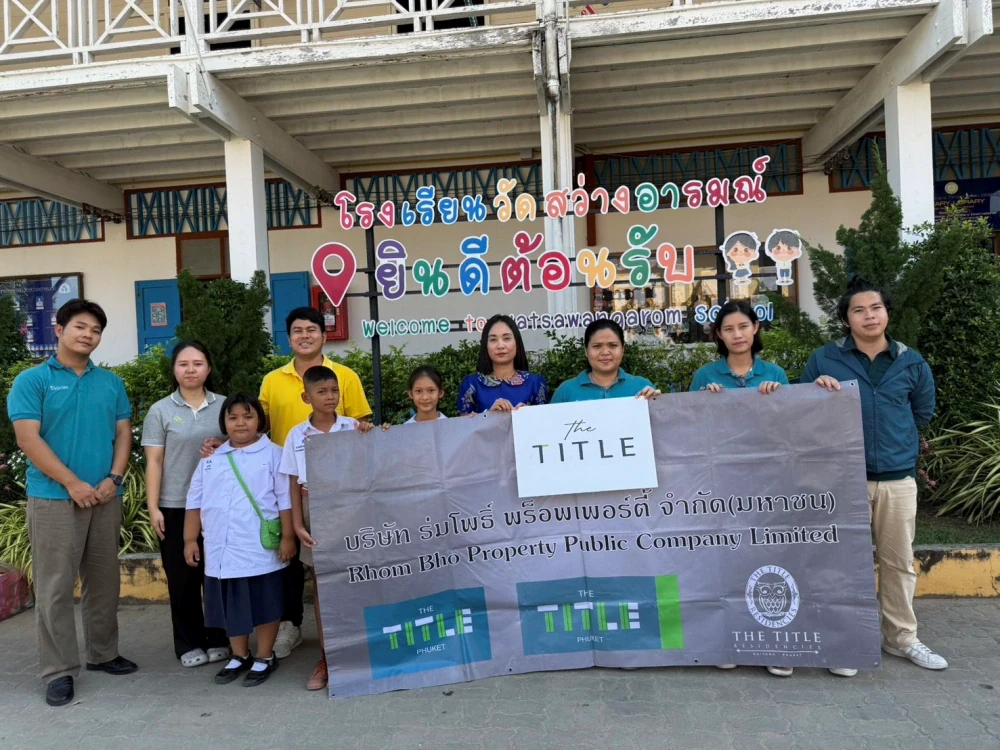
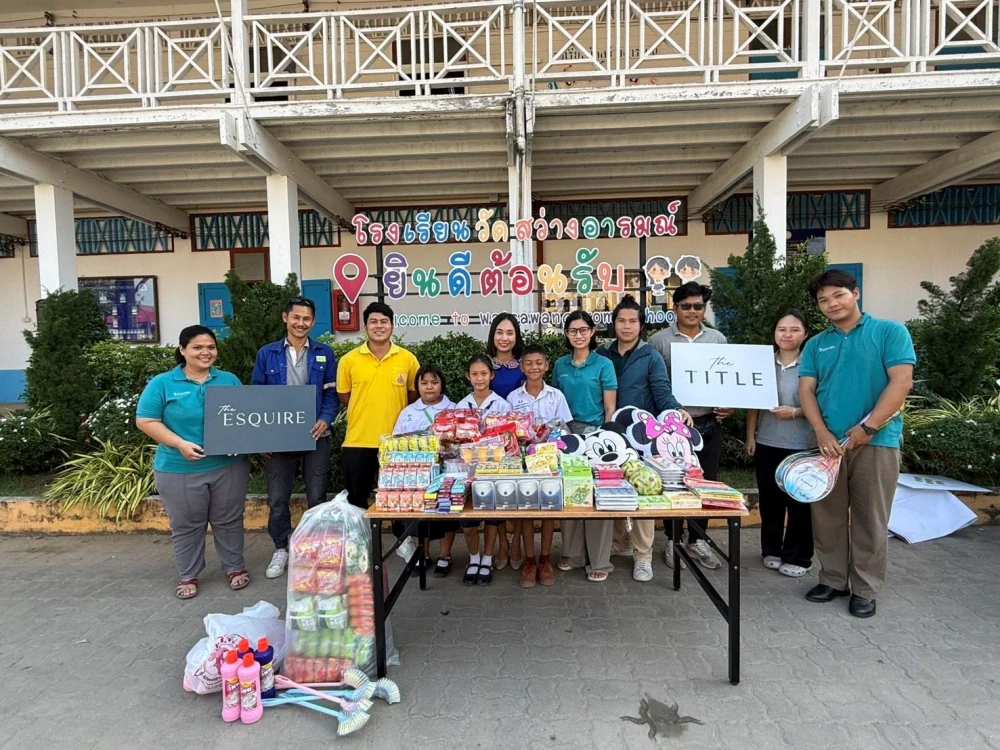
Merit-Making Ceremony (Sart Duan Sip Festival)
On 22 September 2025, the Company organized a merit-making ceremony and community food offering (Rong Than) in celebration of the Sart Duan Sip Festival.
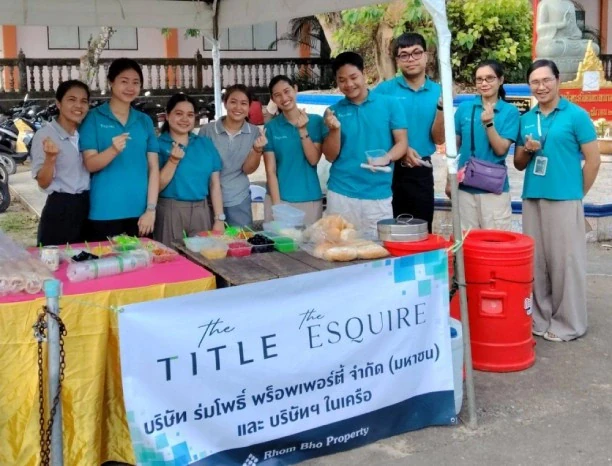
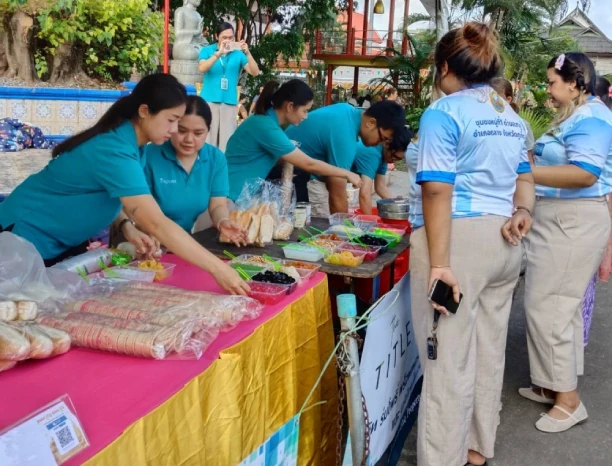
Supporting Thai Culture and Preserving Buddhist Religious Sites
On 12 October 2025, the Company supported Thai cultural preservation and the maintenance of Buddhist religious sites by co-hosting the Kathin Samakkhi ceremony at Choeng Thale Temple, Phuket Province. The contributions were allocated for the renovation of monastic buildings, including the ordination hall (Ubosot) and the sermon hall (Sala Kan Parian).
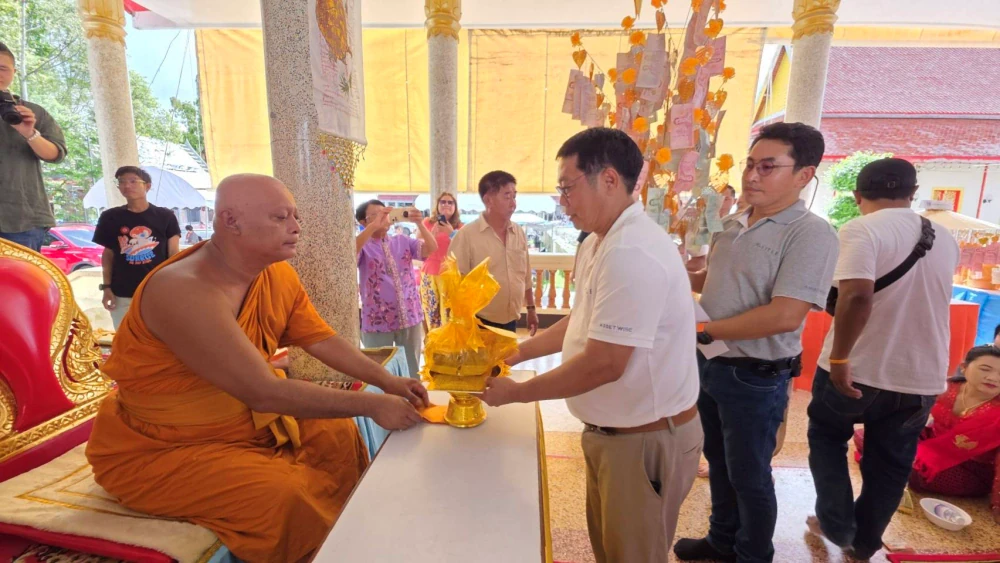
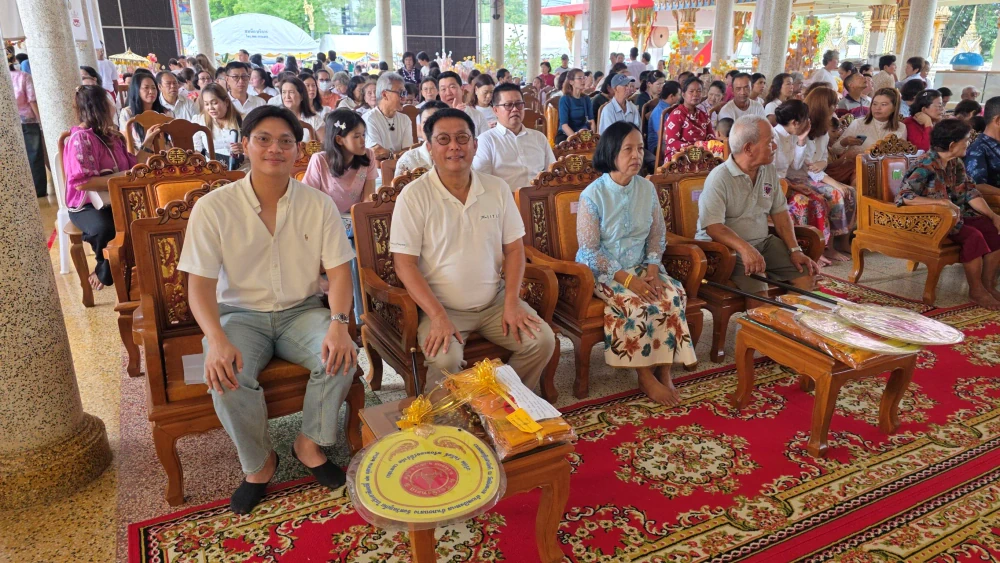
Educational Grant Donation
On 19 June 2025, Rhombho Property (The Title) supported educational opportunities by donating THB 4 million for the construction of a new school building at Ban Sakhu School, Phuket Province. The Company also improved facilities, including renovating the basketball court with artificial turf to convert it into a modern futsal field, upgrading the drainage system, and installing a new flagpole.
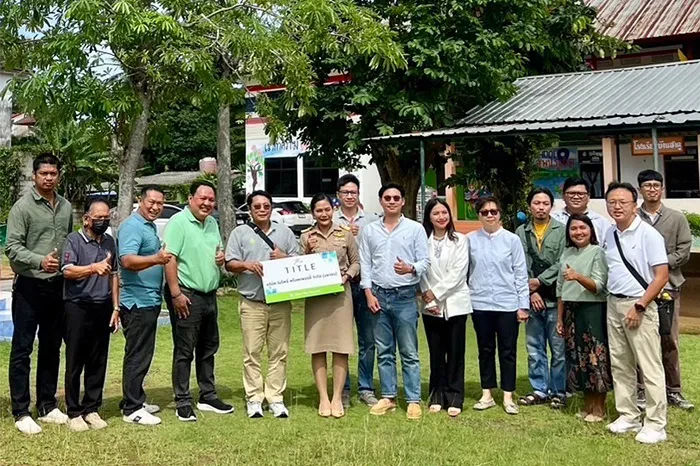
Donation to Chalong Hospital
On 14 March 2025, Rhombho Property (The Title), a developer of Leisure Residence properties for sustainable living and investment, donated THB 500,000 to Chalong Hospital to support facility improvements.
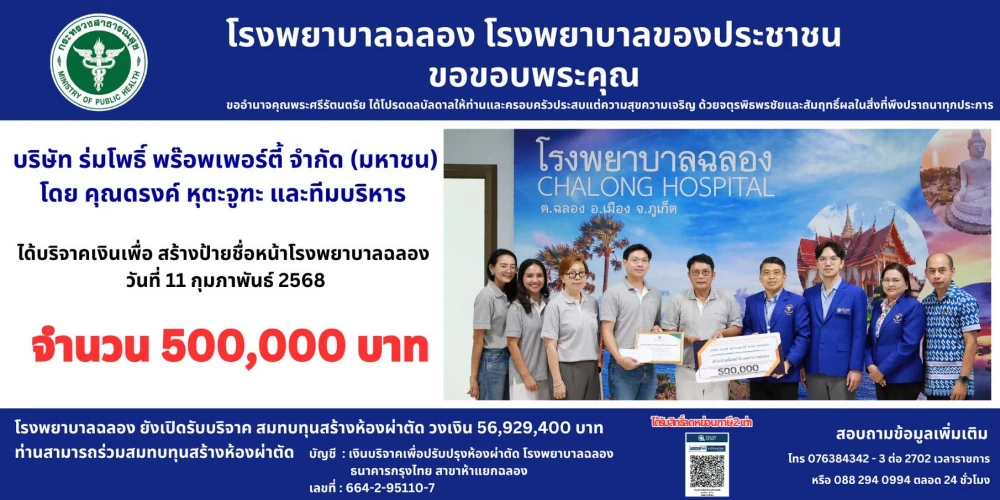
Blood Donation Activities
In 2025, Rhombho Property (The Title), in collaboration with Phuket Provincial Red Cross Society, organized blood donation activities under the campaign “One Drop of Blood… Saving Lives.” The activity was held three times during the year to help patients in need.